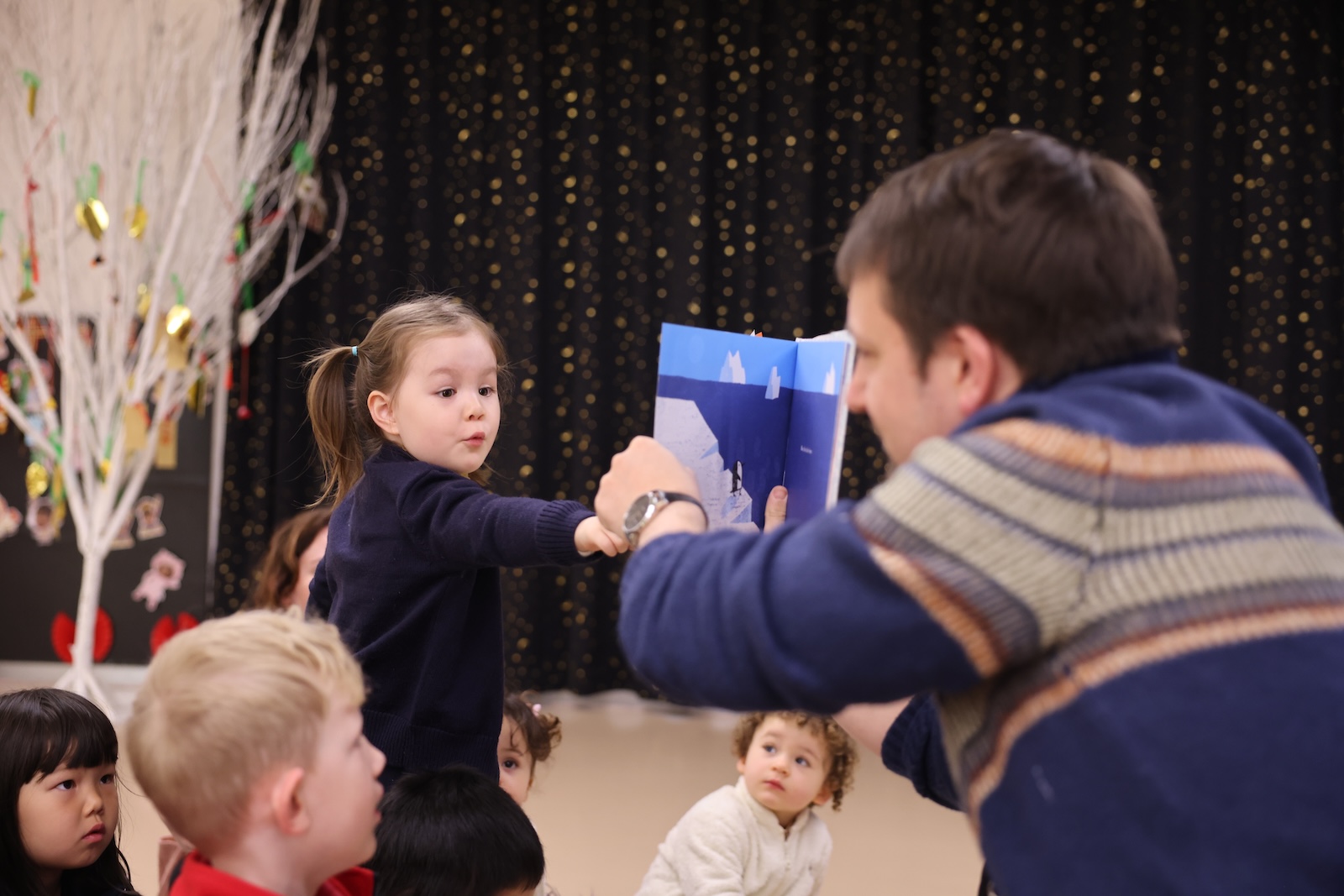
Hearing Nature Through Birdsong丨从鸟鸣声中,听见地球的呼吸

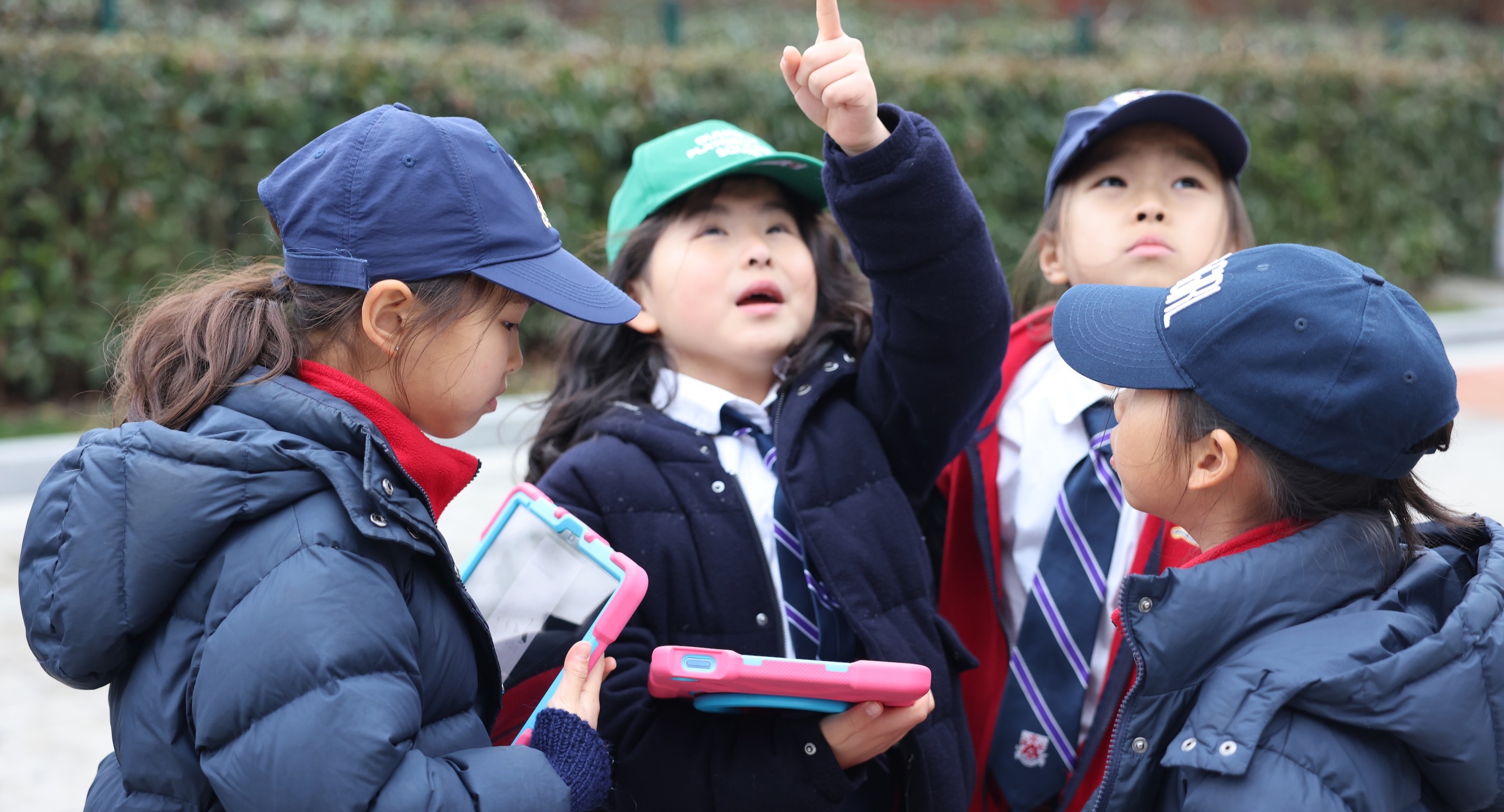
Every February, the Great Backyard Bird Count (GBBC) takes place worldwide. Led by the Cornell Lab of Ornithology, the National Audubon Society and Birds Canada, this citizen science initiative invites people to step into nature and contribute to real ecological research and bird conservation through observation and data recording.
At Dulwich College Shanghai Puxi, participation in this event provides an authentic context for our commitment to holistic education and environmental responsibility. We believe understanding sustainability must move beyond theory and be strengthened through lived experience and action.
Guided by this belief, on Tuesday 24 February and Thursday 26 February, students from the Junior School and DUCKS stepped out of their classrooms and into the campus. Within our carefully stewarded green environment, they began an exploration focused on observation, listening and reflection.
'We Need to Stay Quiet':
When Learning Begins with Listening
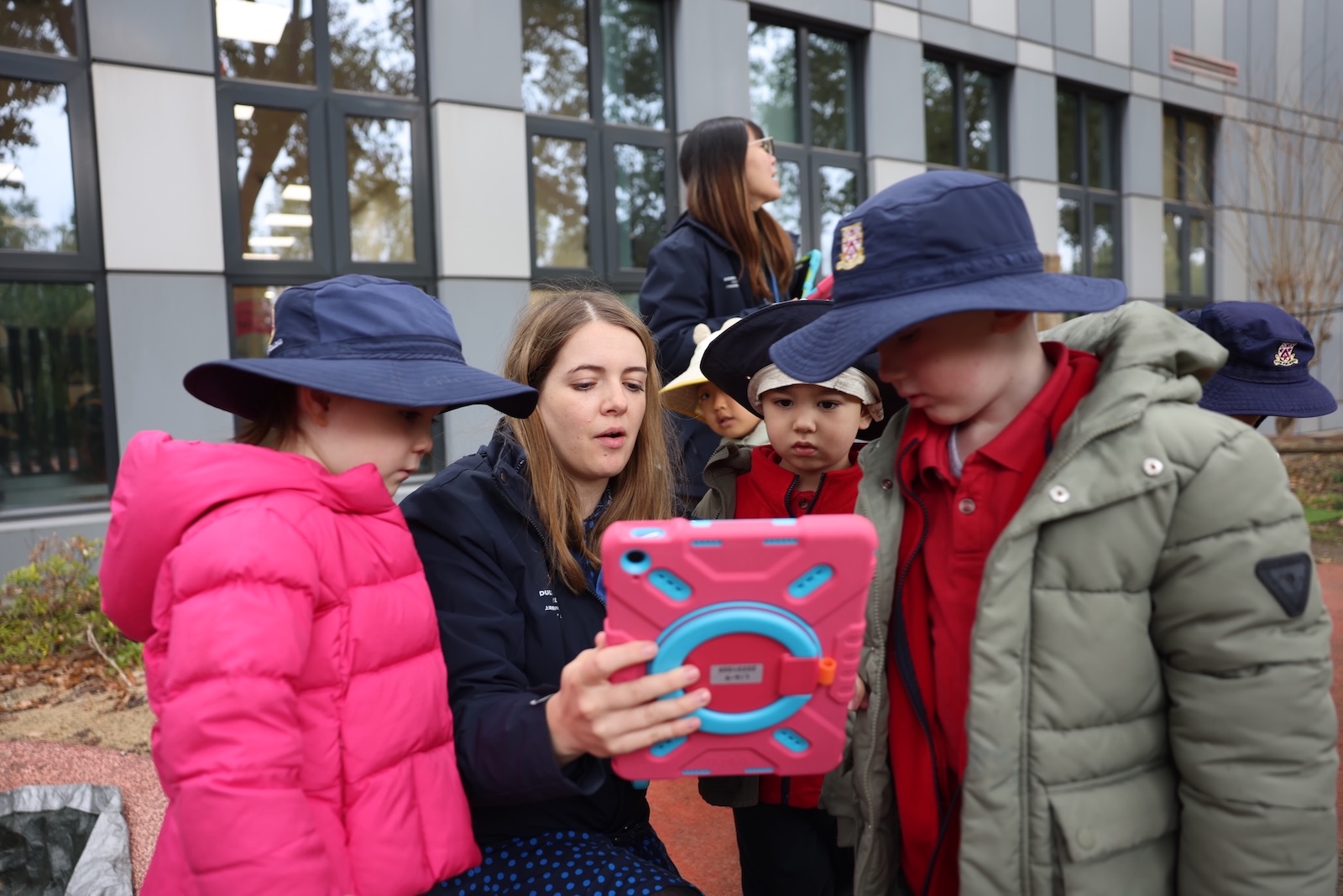
On the day, students used the Merlin App developed by the Cornell Lab of Ornithology, stepping into the role of citizen scientists. Along grassy edges and beneath trees, they quietly searched for their feathered neighbours. Campus signage helped them identify bird species and understand their unique adaptations. This reinforced a simple truth: we share this land with countless other living beings.
During the activity, Chloe from DUCKS carefully reminded her peers, 'We need to stay quiet, or the birds will fly away.' This brief comment reflected an instinctive respect for life.
Technology enabled students to identify birds and record data with confidence. Even when birds were hidden in treetops, the Merlin App captured birdsong and identified species in real time. Gavin in Year 5 shared: 'I like this tool. Even if we can’t see the birds, we can record their songs.' Each moment of listening became scientific data uploaded to a global database, linking the Dulwich Puxi campus to the worldwide biodiversity monitoring network.
From Birdsongs to SDG 15:
Turning Observation into Thinking
True learning begins with observation and deepens through reflection. As the exploration continued, students began interpreting environmental signals through the types and numbers of birds they encountered.
Lola in Year 5 linked the experience to the school's sustainability commitments: 'By understanding which birds live around our campus and how healthy they are, we can understand our impact on the environment.' Birdwatching became, for her, a measure of human influence on ecosystems.
Year 6 students Peter and Kate extended their thinking further. Peter reflected: 'It's really interesting because we explore nature by listening to birdsong. We were lucky to see some birds we had studied before.' Kate added: 'We learned about birds' diets and how to help sick birds, which links to the United Nations Sustainable Development Goal 15. The number of birds also tells us how healthy the environment is. If there were no birds, we would be facing serious problems.'
From campus observation to the United Nations Sustainable Development Goals, students used their own words and reflections to complete a journey from observation to thinking, and from thinking to action. They not only observed nature, but also understood the interdependence between humans and the natural world.
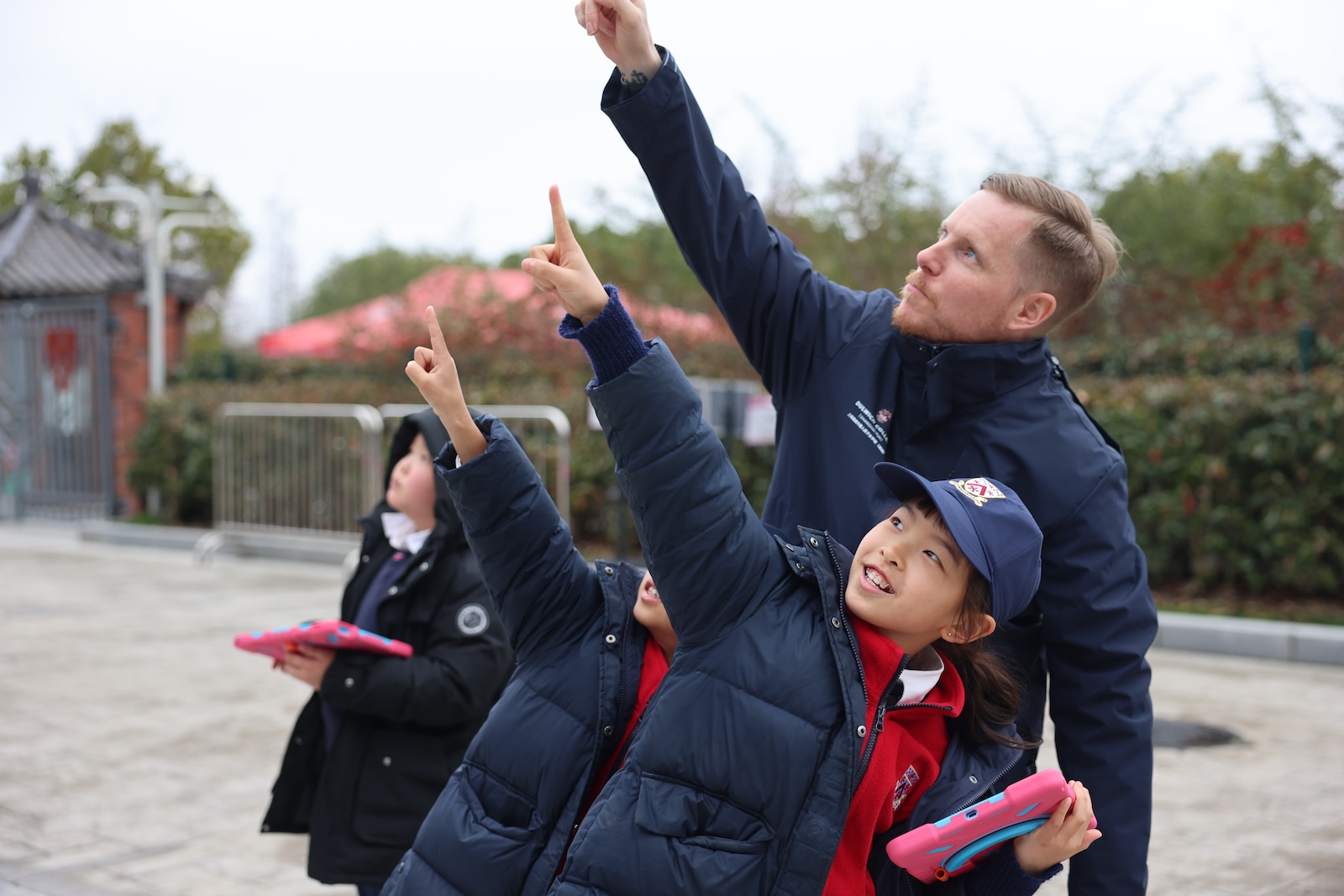
'When students realise that their observation data will be used by scientists around the world, learning becomes more than a classroom task; it becomes a responsibility. Watching children instinctively slow their steps and lower their voices to observe a single bird reminds you that the most powerful moments of education happen in real life. Through this, the Great Backyard Bird Count transforms sustainability from an abstract idea into an instinctive way children engage with the world.'
Planting The Seeds of Change Through Authentic Experience
At Dulwich College Shanghai Puxi, our commitment to sustainability, biodiversity and environmental responsibility extends beyond mere words. It is visible in softened footsteps, attentive listening and the ability to connect local observation with global issues.
We believe these seeds planted in nature will grow into the power to change the world. They help our students become individuals who not only understand how the world works, but who contribute to a more sustainable future.