Learning Doesn’t Stop in Summer! Yangshuo IB Geography Fieldwork

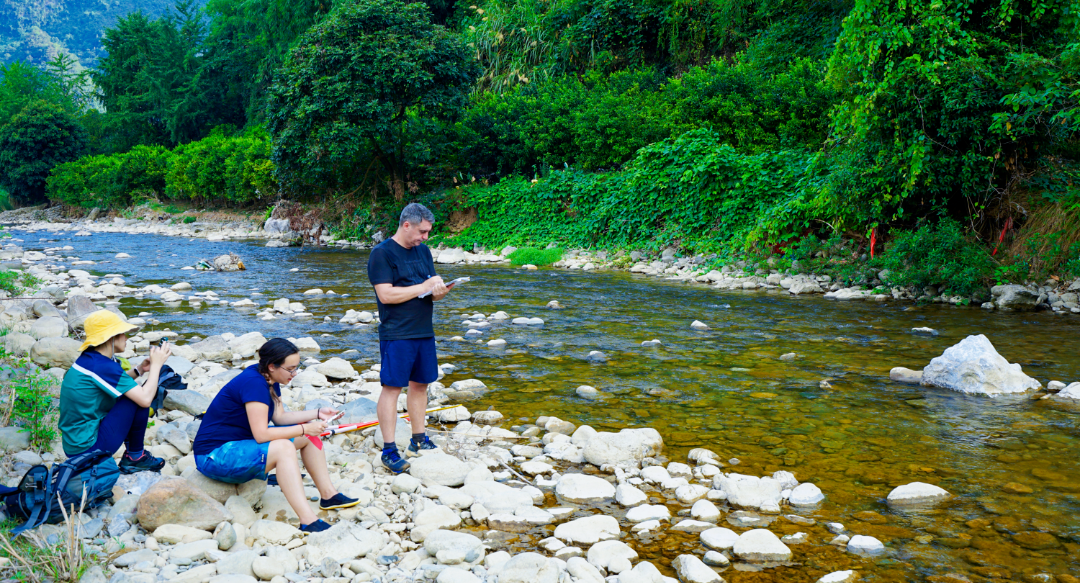
We are committed to providing a world-class education to every student in our care. Sometimes, this requires outside the box thinking from our dedicated teachers, and the initiative to take opportunities as they arise.
With the extensive lockdowns in Shanghai in early 2022 it was impossible to travel to undertake research and fieldwork, so as soon as this became possible again during the summer holiday, the IB Geography Rivers Fieldwork trip was scheduled. A huge thank you to those committed teachers and staff who took time during their summer holiday to deliver this bespoke experience.
ABOUT YANGSHUO
————
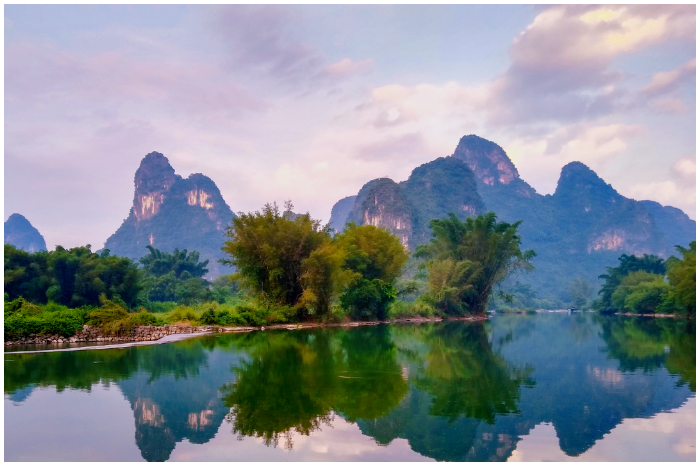
The location of the Year 12-13 IB Geography Fieldwork was Yangshuo, Guangxi. The traditional business in Yangshuo is farming, which is still a main part of the economy. However, tourism has also become quite important to Yangshuo, with many hotels and other tourism related activities. The area is popular for walking trips, cycling, camping and relaxing around the many rivers in the area. Most relevant to the fieldwork is the geographical make-up of the landscape, which is predominantly karst limestone.
TOPICS AND SYLLABUS
————
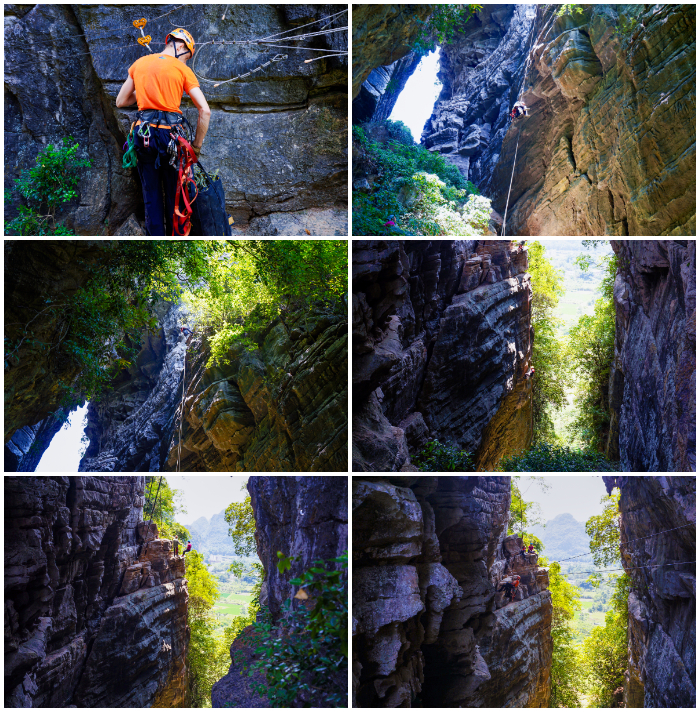
The aim of this fieldwork was to investigate the hydrological and fluvial processes and characteristics of a river. This is part of the Option A ‘Freshwater Environments’ topic, which can be directly linked to the following syllabus statement: Drainage Basins and Flooding: Discharge – “Define stream discharge. Examine its relationship to stream flow and channel shape.”
All rivers should ‘behave’ in the same way with regards to their flow characteristics, as well as the fluvial features that occur. These characteristics and features will change as one moves downstream, along the course of the river.
RIVER SITES AND SAMPLING
————
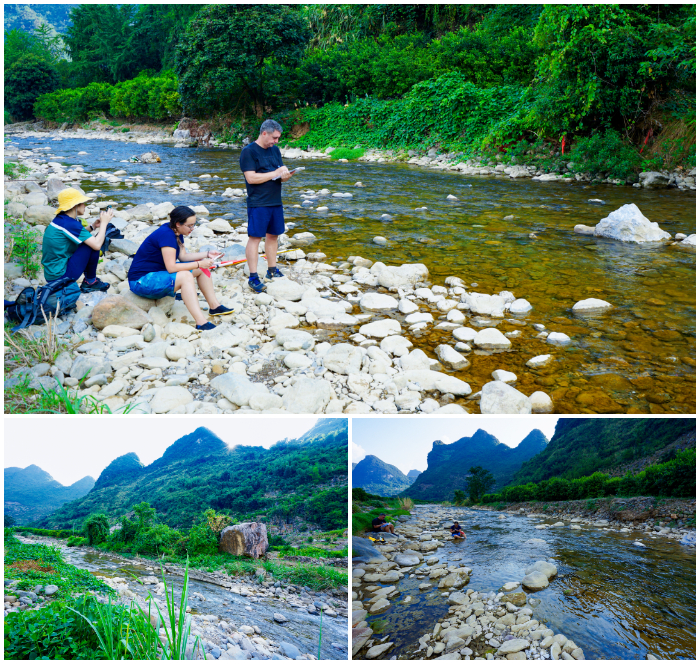
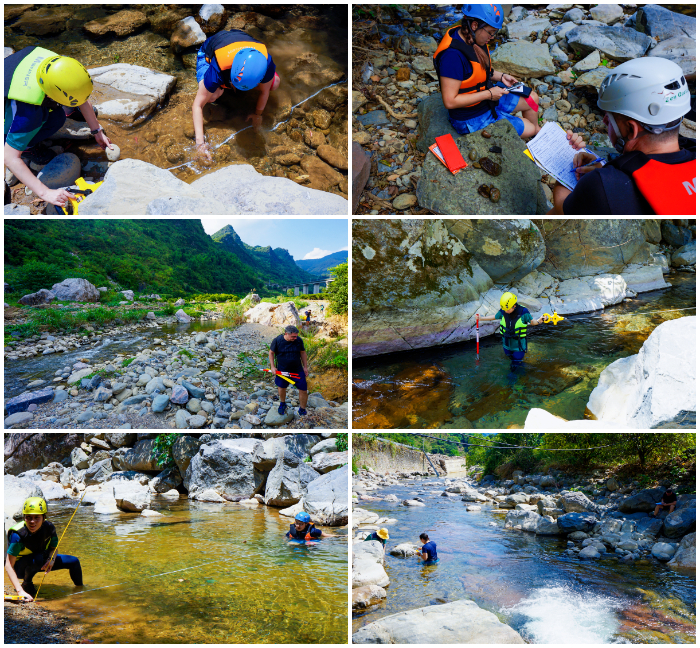
The data collection sites began at Site 1 in the upper course of the river near the source of the river. 12 fixed sites were visited to collect the river data in order to provide a large enough sample size (12 sites) to complete some statistical analysis. Each of the sites 1-12 were as close to equidistant (as practical) apart along the course of the river. Therefore, the sampling was systematic.
DATA COLLECTION METHODS
————
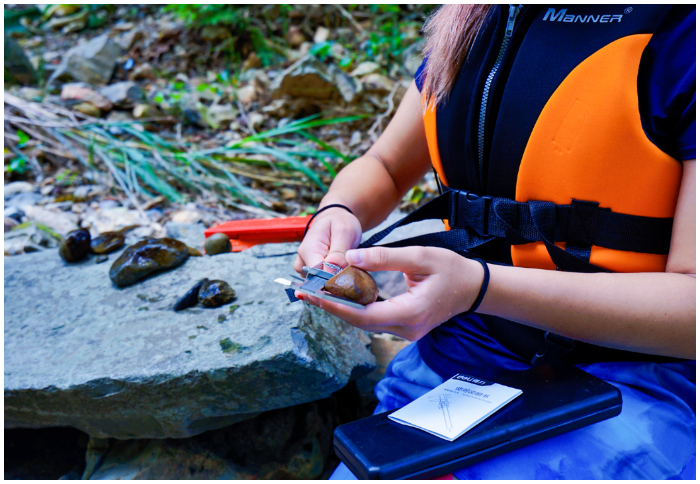
At each of the 12 sites students were required to conduct the following fieldwork:
- Calculate river discharge by finding the average flow velocity and cross sectional area (channel width and average depth)
- Measure bed-load (size and shape)
- Measure the gradient
- Make observations and take notes about aspects of the river valley
- At one inspection site draw a field sketch.
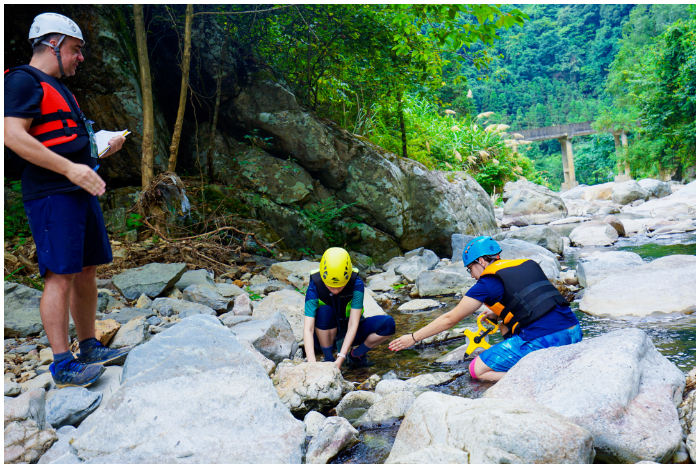
Mr King / IB Geography Teacher
“We spent the whole day collecting data from the river. With hot weather and high humidity, the team were exhausted by the end of the day. We are really happy with all of the data that we have collected, and we are confident that our Rivers study is going to be very successful. We all had a wonderful time in Yangshuo, and we hope to return there again this year to carry out further river studies”