Mastering Multilingualism: Building Bridges to the World
In our interconnected world, language serves not just as a communication tool, it’s a bridge to cognitive development, cultural heritage, and global citizenship. As an international school, our language learning is integral to our holistic education approach, empowering students to become fluent, culturally aware, and confident in both their native and additional languages – to truly ‘Live Worldwise’.
Mandarin Programme: Holistic and Personalised Education
Mandarin lies at the heart of our multilingual approach. We offer three tailored pathways to cater to our students' diverse needs:
- Mandarin A: Chinese as a Native Language (CNL)
- Mandarin B: Mandarin as a Second Language (MSL)
- Mandarin C: Mandarin as a Foreign Language (MFL)
For MFL students, we provide the unique Wo Hui Mandarin Programme. The programme's philosophy, "It's not what you know, but what you can do with what you know," shifts the focus from rote memorisation to active language use. Our differentiated instruction and dynamic assessments ensure that every student, regardless of background or starting point, receives the support they need to progress meaningfully.
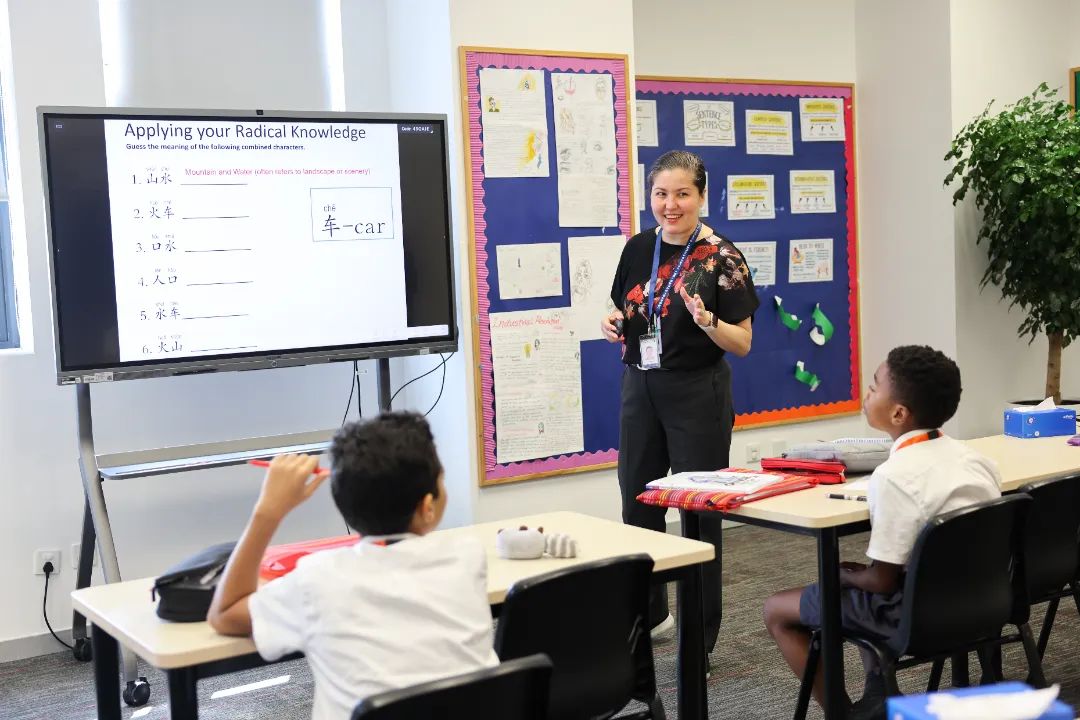
From the early years in DUCKS to Senior School, our Mandarin programme emphasises purposeful learning. Language acquisition is not just about vocabulary; it's about thinking, expressing, and creating. Whether tracing pictographs in sand or analysing rhetoric in Chinese literature, our students develop skills that enhance cognitive agility, empathy, and global awareness.
Mandarin Learning Journey: Starting from Early Years
DUCKS: The Dual-Language Approach & Learning through Play
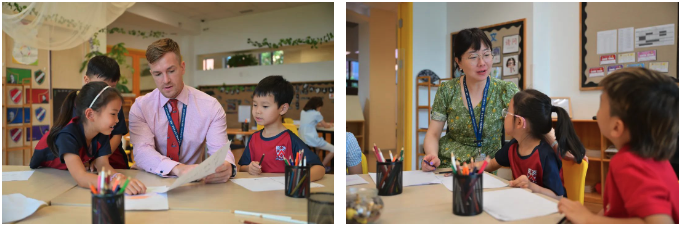
Our journey begins in DUCKS, where the Read, Write, Mandarin (RWM) curriculum immerses children in a dual-language environment. Each classroom is led by both a native English-speaking teacher and a qualified native Chinese-speaking teacher, fostering a rich linguistic atmosphere.
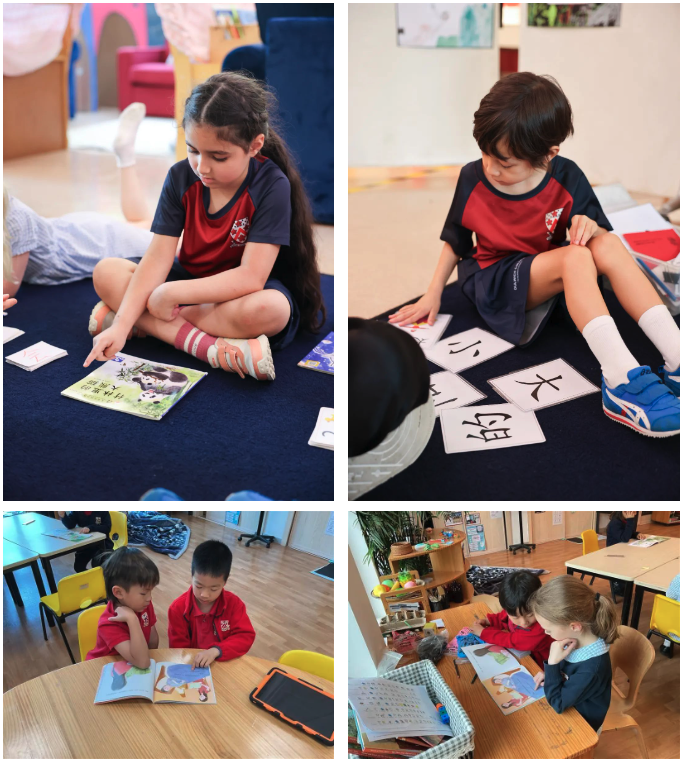
Our Read Write Mandarin (RWM) curriculum introduces Chinese characters through storytelling, multi-sensory exploration, and levelled readers. Characters are not memorised - they are lived. Through songs, sand trays, doodles, and drama, children build a deep connection to language and culture.
In Early Years
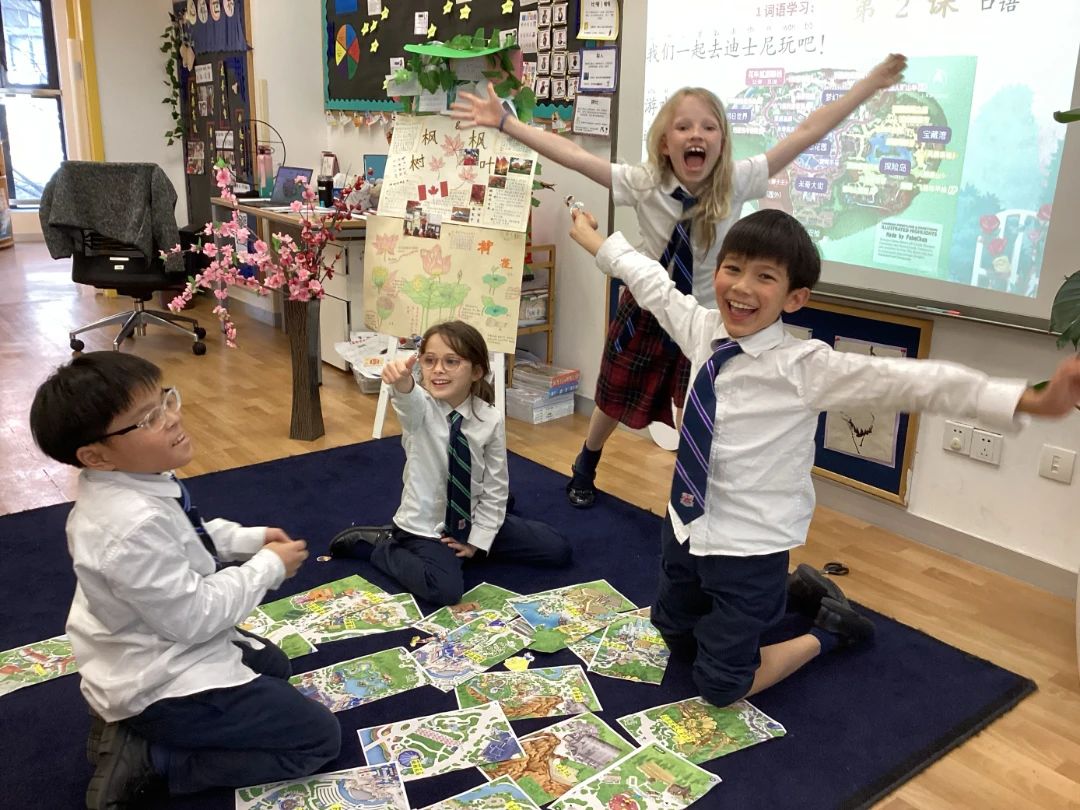
We employ engaging methods to make Chinese characters come alive. Children use colourful sand to trace pictographs, transforming characters into visual stories. Songs like "Twinkle Twinkle Little Star" are sung in both English and Chinese, allowing children to feel the rhythm of different languages. Creative activities, such as doodling Chinese character stories, help children progress from simple strokes to writing their first sentences, marking significant cognitive development.
In Key Stage 1
A critical period for character recognition, teachers transform character learning into enjoyable games. RWM lessons are carefully designed with interactive activities that align with children's developmental needs and the structure of Chinese characters. Activities range from "Character Hide-and-Seek" for observation skills to "Story Creation" for expressive abilities, sparking joy and motivation in every lesson.
Achievements through the academic year:
- 80% of students meet or exceed their end-of-year reading goals at the beginning of Term 3.
- 93% of students show great and continuous progress.
- Students’ interest in reading and comprehension skills have improved significantly.
Junior School: Developing Oracy, Reading, and Writing
Oracy: Every Voice Matters
We place a strong emphasis on developing students’ oracy skills, supporting their holistic growth through a variety of activities and systematic assessments.
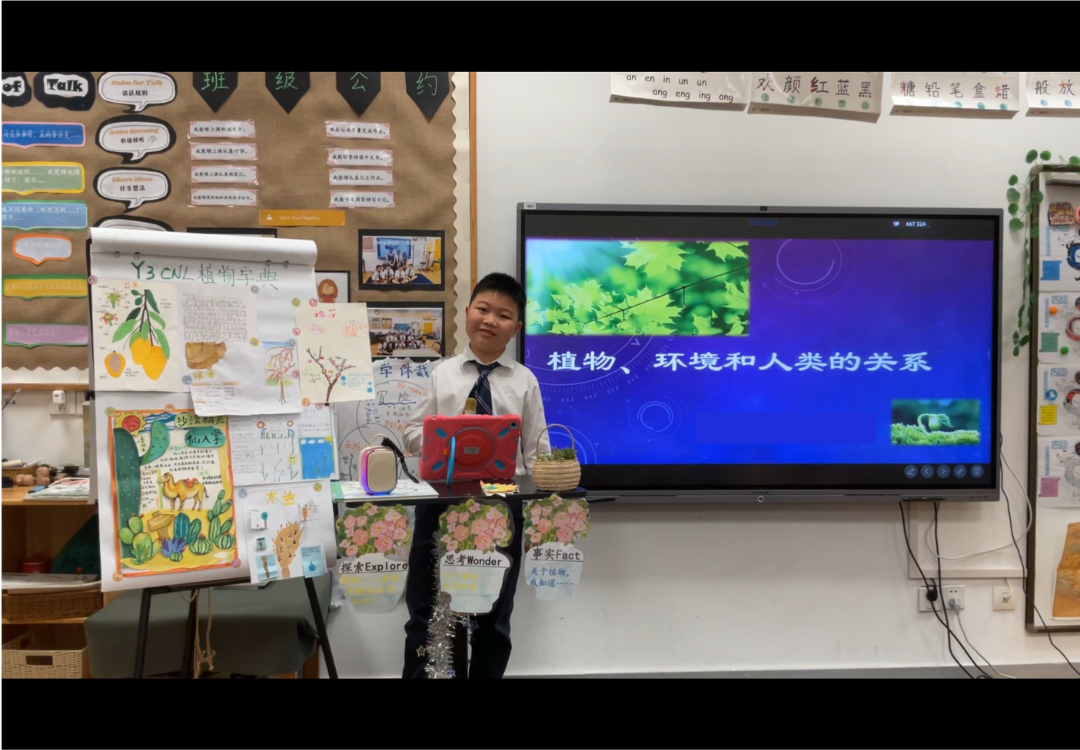
For native speakers, our comprehensive four-dimensional evaluation system covers body language, verbal expression, logical thinking, and emotional communication, allowing us to track oral development continuously. Classroom activities such as sharing, group discussions, and debates help students refine their speaking abilities. For non-native speakers, we create immersive and authentic language contexts, such as dubbing campus tour videos or conducting interviews about community facilities, that integrate holistic educational ideals and nurture intercultural communication skills.
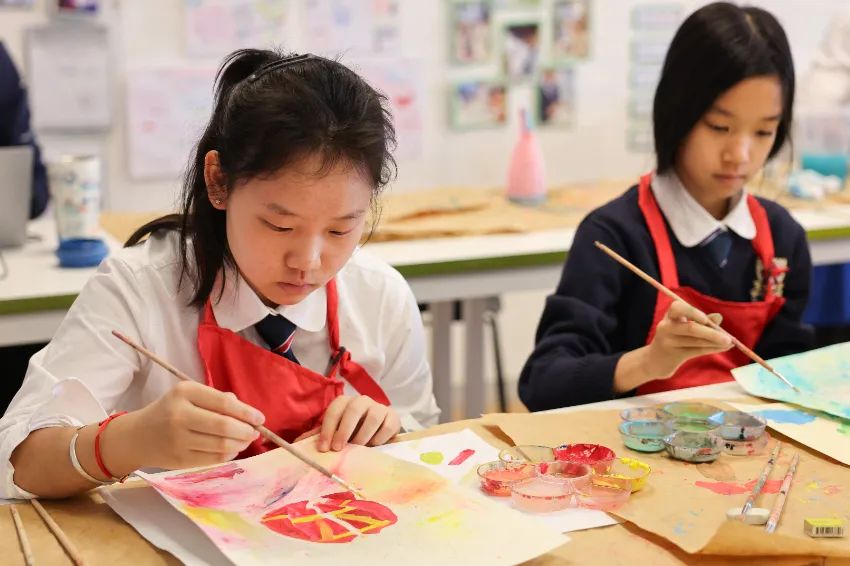
During Poetry Week, students create autumn leaf art by the pond and recite related poems, blending artistic expression with nature observation. These activities not only improve language fluency but also deepen aesthetic appreciation. Through such experiences, we aim to nurture future citizens who are articulate, globally minded, and socially responsible.
Reading: From Words to Thought
Aligned with the IB framework, our reading curriculum progresses from foundational skills in Years 3 and 4 to a "classics + shared reading + extensive reading" approach in Years 5 and 6. Students delve into texts like The Chronicles of Narnia, engaging in character analysis and critical thinking. Non-native speakers explore story collections such as Jack and the Beanstalk, utilising VIPERS questioning techniques and drama activities to enhance comprehension and cultural awareness.
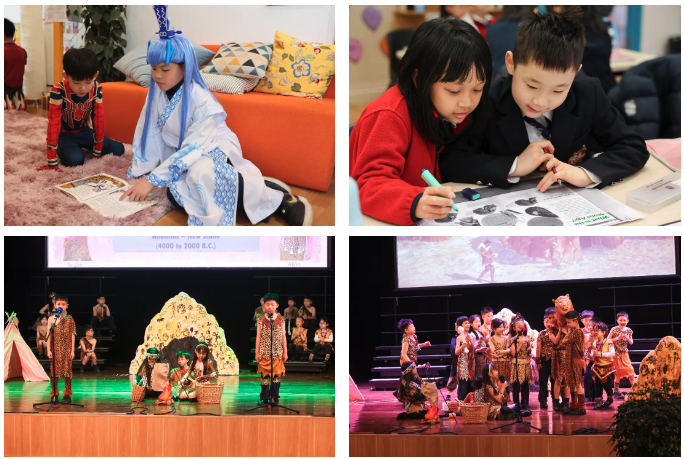
Writing: From Imitation to Creation
Our writing curriculum integrates reading and writing through a "comprehend–internalise–express" loop. To reinforce skill transfer, we offer weekly “micro-writing” exercises in Term 3, focusing on core abilities such as scene description and dialogue design for targeted improvement.
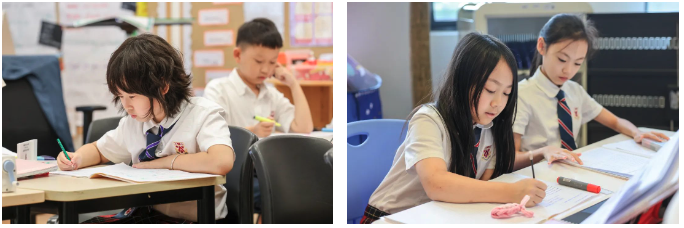
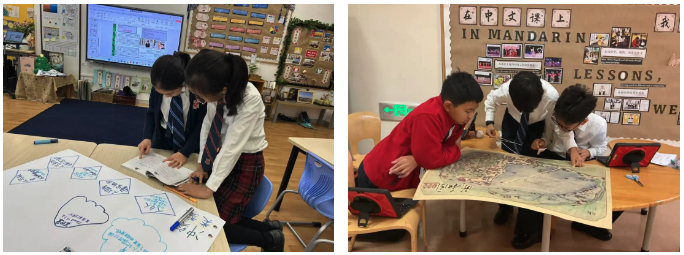
For non-native speakers, we provide culture-immersive writing activities like drawing travel maps and composing seasonal poems. Chinese character study incorporates high-frequency characters and explorations of oracle bone script to deepen cultural understanding.
Our Students Achievements:
• Our students' achievements include accolades in the International School Picture Book Awards and the Youth Writing Competition, with two students (Year 6 Albert L and Year 7 Isaac L) receiving the Global Runner-Up prize in the 3rd International Youth Chinese Writing Competition.
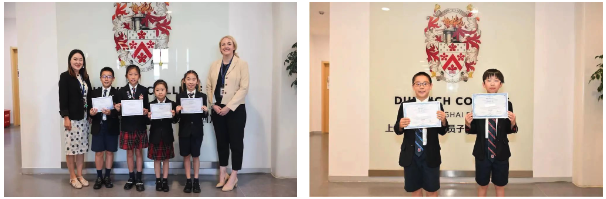
• Year 5 student William S. has been recognised as Outstanding Writers in the 4th International Youth Chinese Writing Competition.
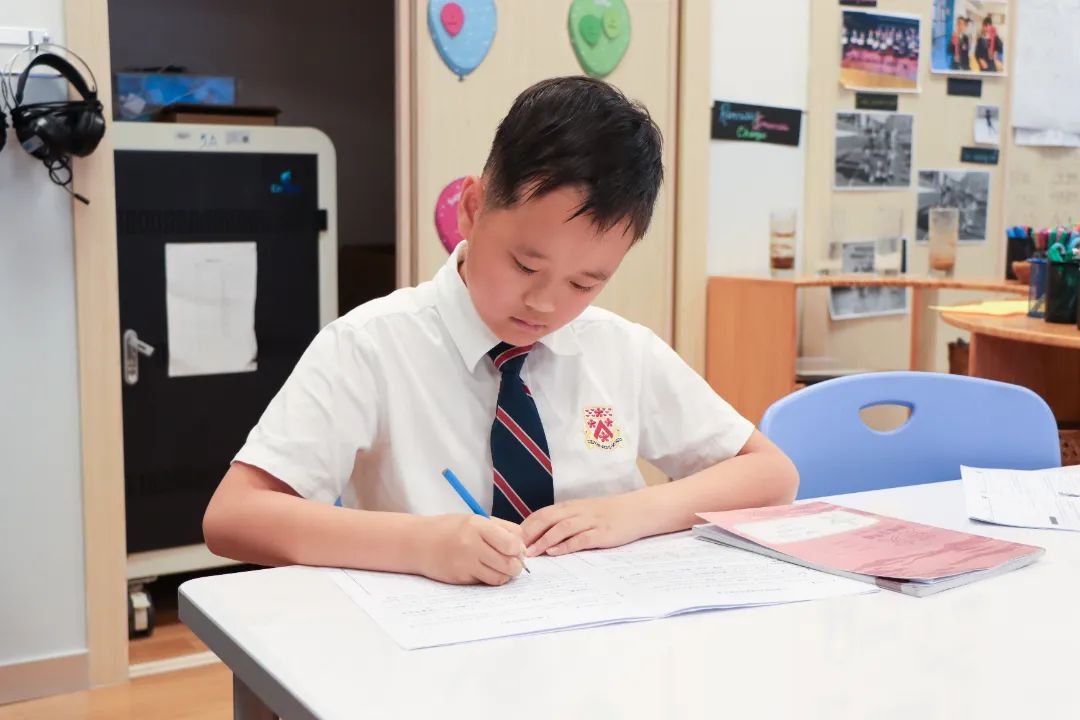
Senior School: Identity Through Language
In Senior School, the Mandarin curriculum emphasises the role of the mother tongue in developing thinking, social interaction, and identity. Through studying original works and translations, students learn how different languages and literature represent the world, fostering a deeper understanding of diverse cultures.
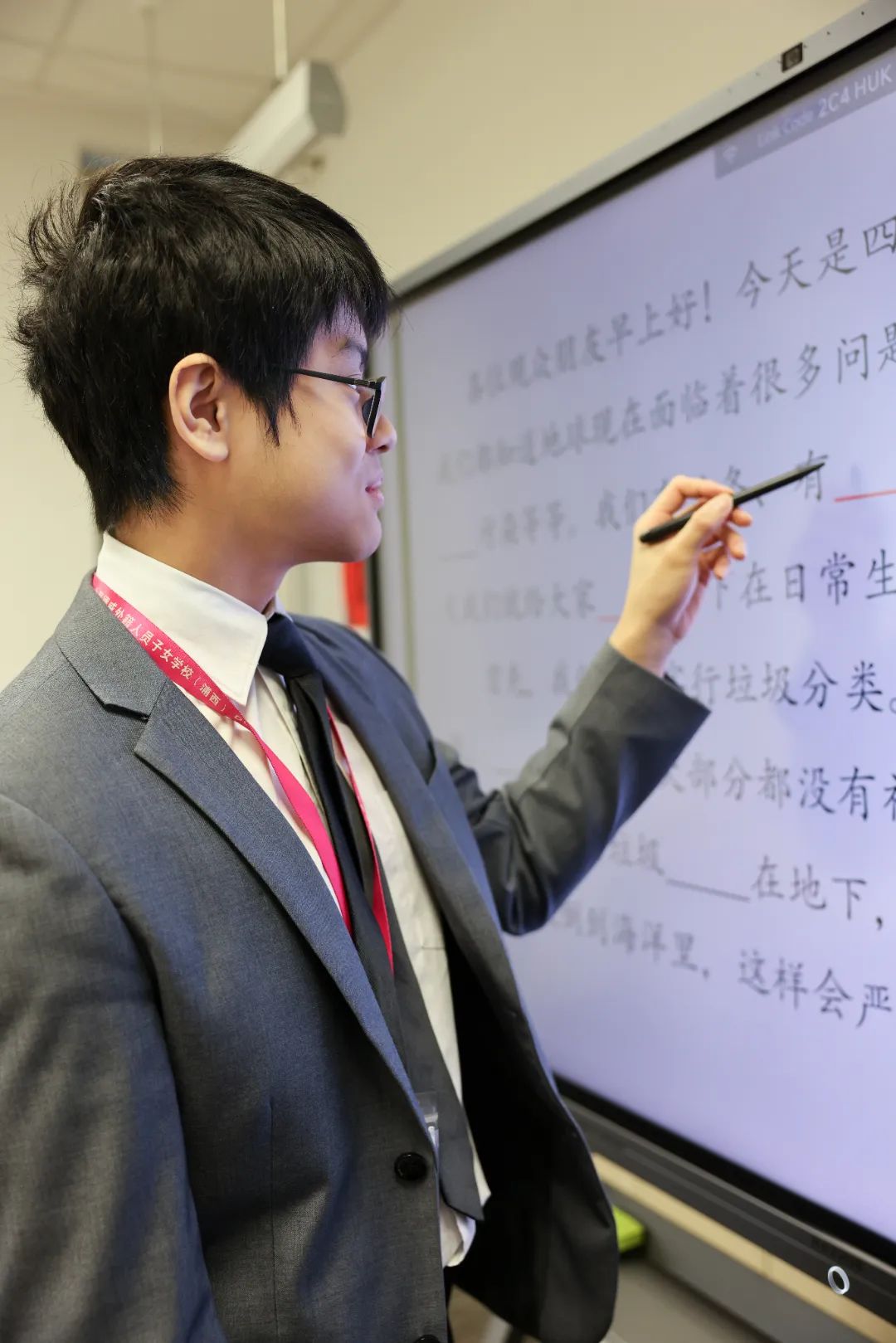
Students will have the opportunity to study various literary works and learn analytical techniques for Chinese literature. They will also undergo writing training targeted at different audiences. To deepen their understanding of traditional Chinese culture, students will study classical Chinese. Throughout IGCSE Chinese as a first language course, students will have the opportunity to improve their Chinese proficiency through various learning activities and prepare for their future success in IB or A level.
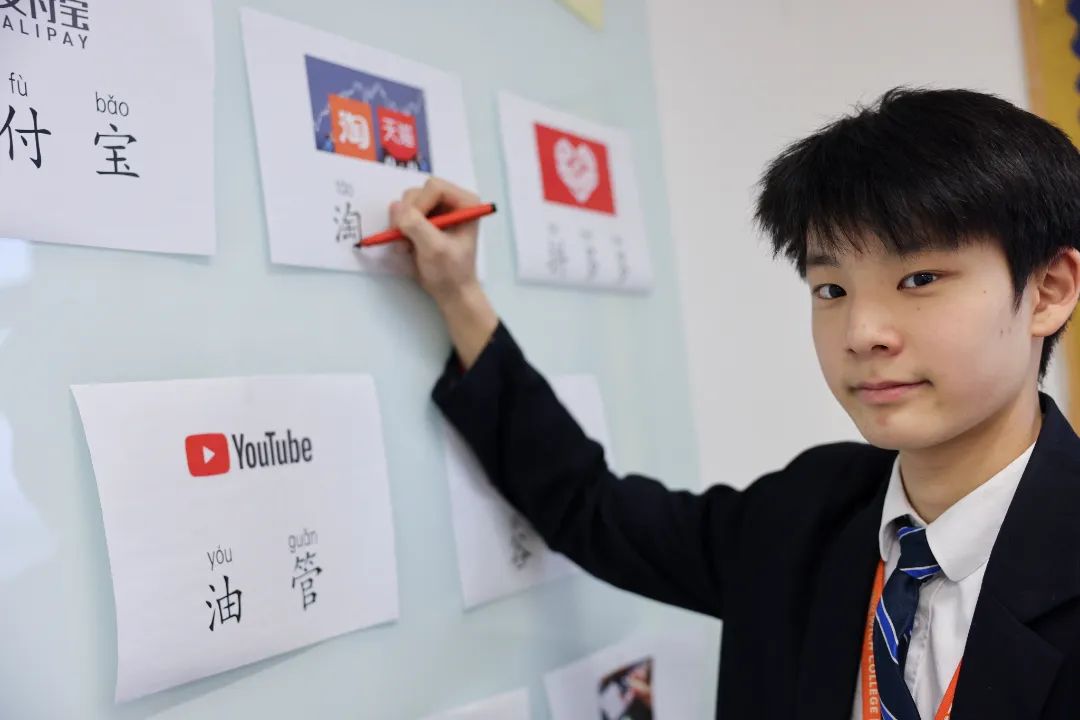
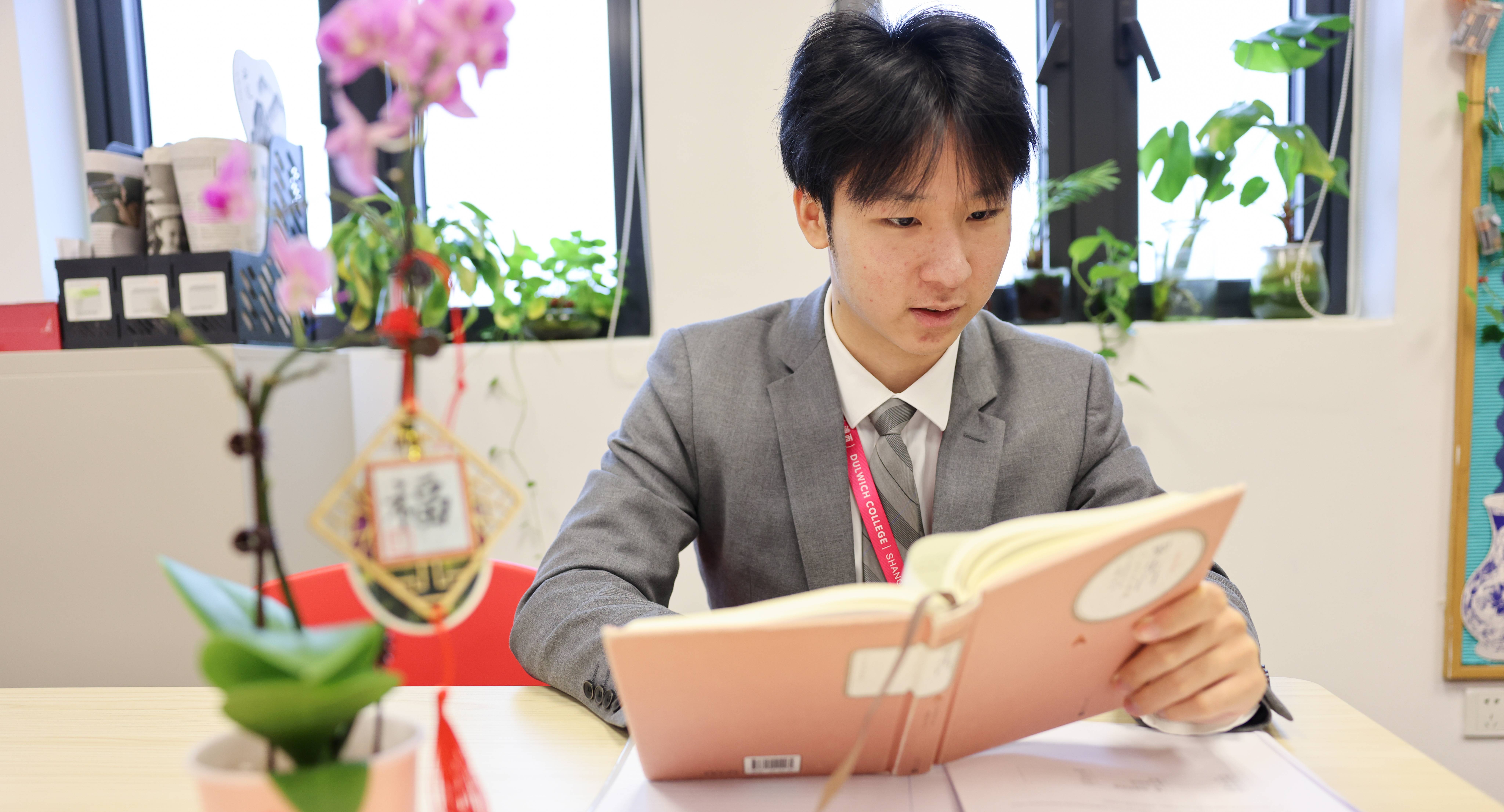
Beyond the traditional dimensions of language learning - listening, speaking, reading, and writing; the IB Chinese A curriculum also focuses on visualisation, presentation, and literature analysis. Students explore various literary styles and work from different times and cultures, encouraging attention to new trends in literary development. Students engage deeply with the exploration of five major global issues, gaining a broad understanding of important contemporary topics. They study both literary and non-literary texts, analysing various forms of presentation. The curriculum also includes the analysis of popular advertisements, online articles, and newspapers, which helps to develop their critical thinking skills. Through this rich and diverse content, students not only improve their language proficiency but also enhance their cultural awareness and global perspective, preparing them well for future academic and professional pursuits.
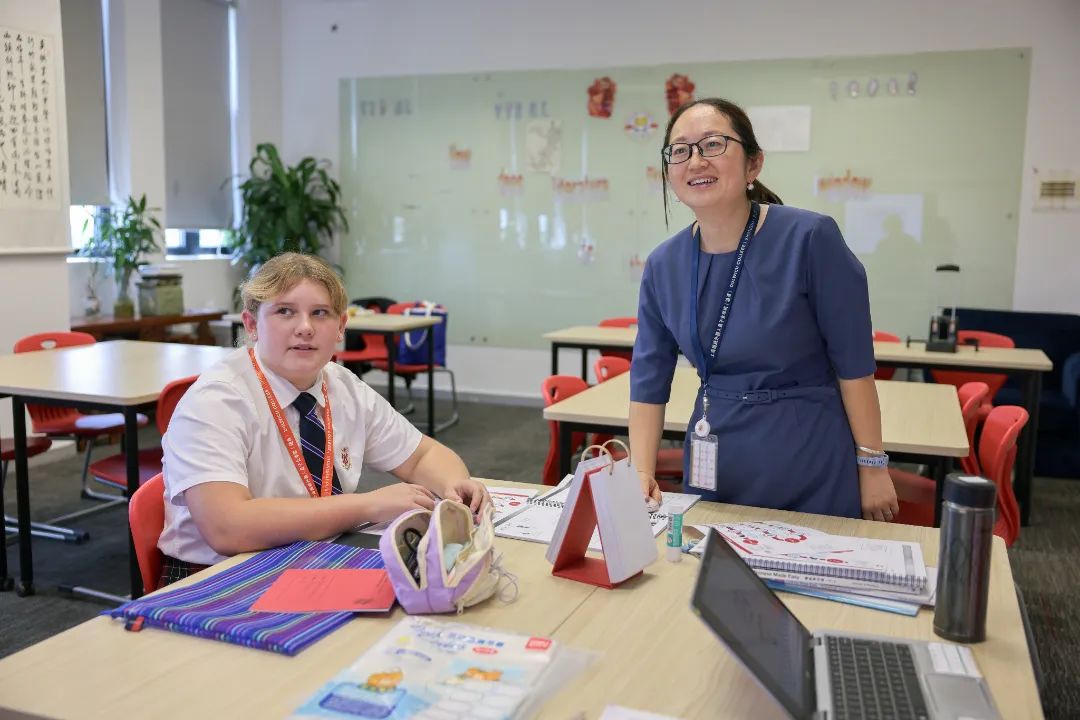
A Level Chinese has a clear curriculum structure, which will enable students to develop advanced-level, transferable language alongside a deeper cultural appreciation of Chinese and Chinese-speaking culture. There is an emphasis on promoting understanding of grammar to allow spontaneous, creative use of language to suit different purposes. The themes are engaging and relevant, combining familiar and new content. Popular texts and films have been chosen, both classical and contemporary.
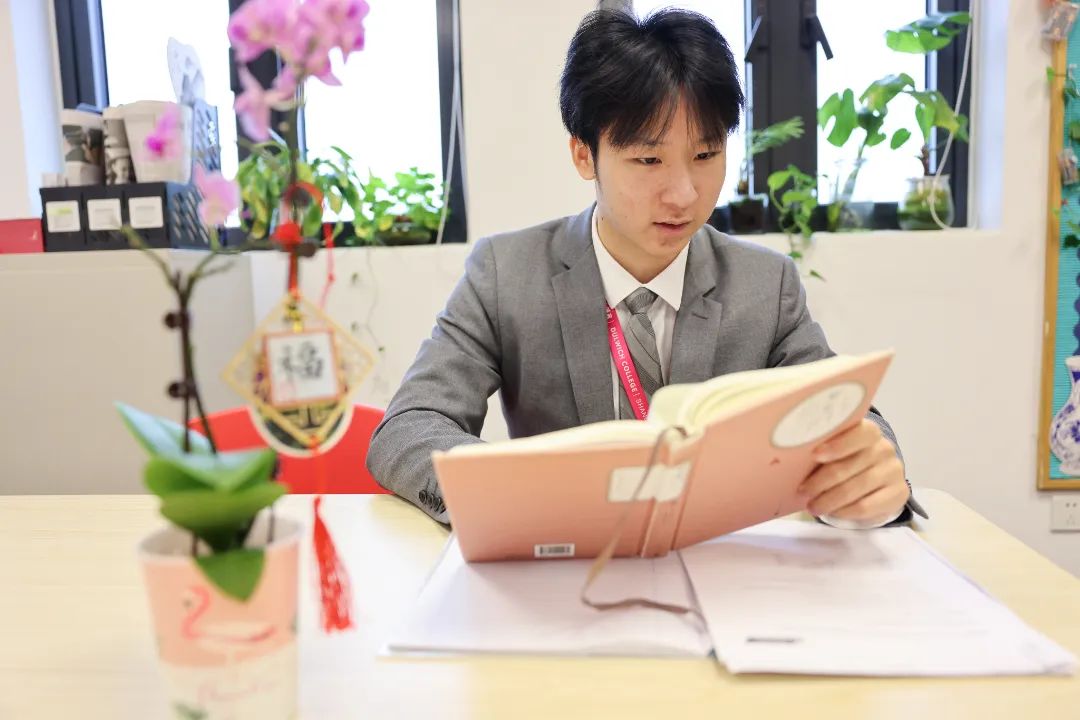
Achievements through the academic year:
• Year 7 student Maia W. has been recognised as Outstanding Writers in the 4th International Youth Chinese Writing Competition.
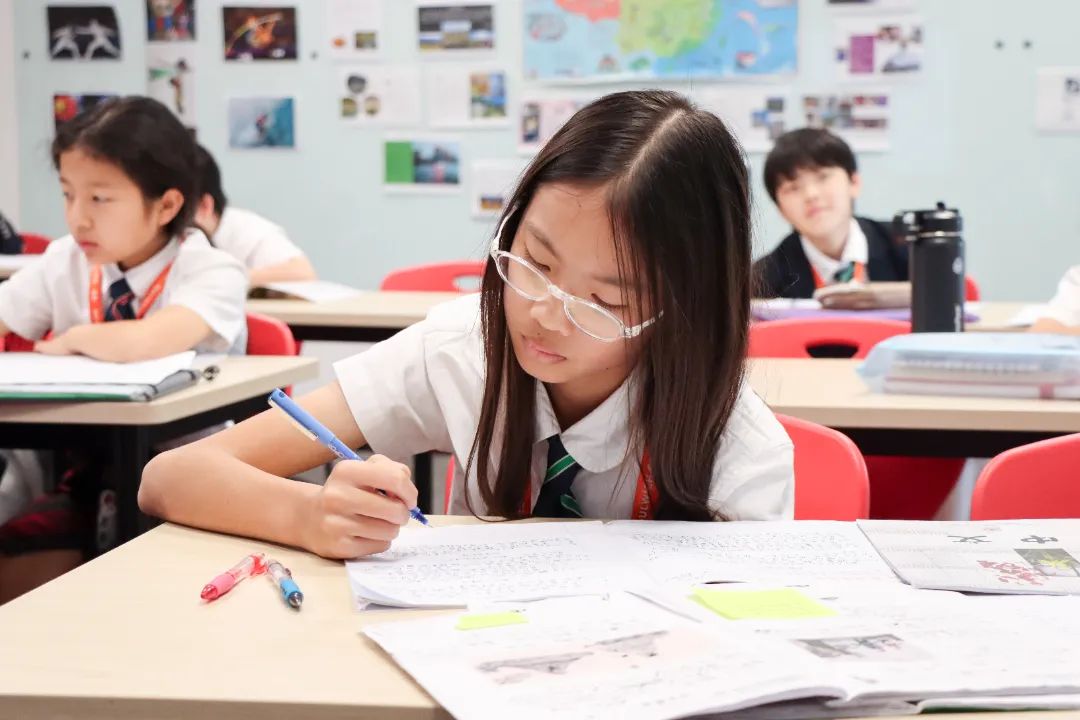
Beyond Mandarin: Embracing Language Diversity
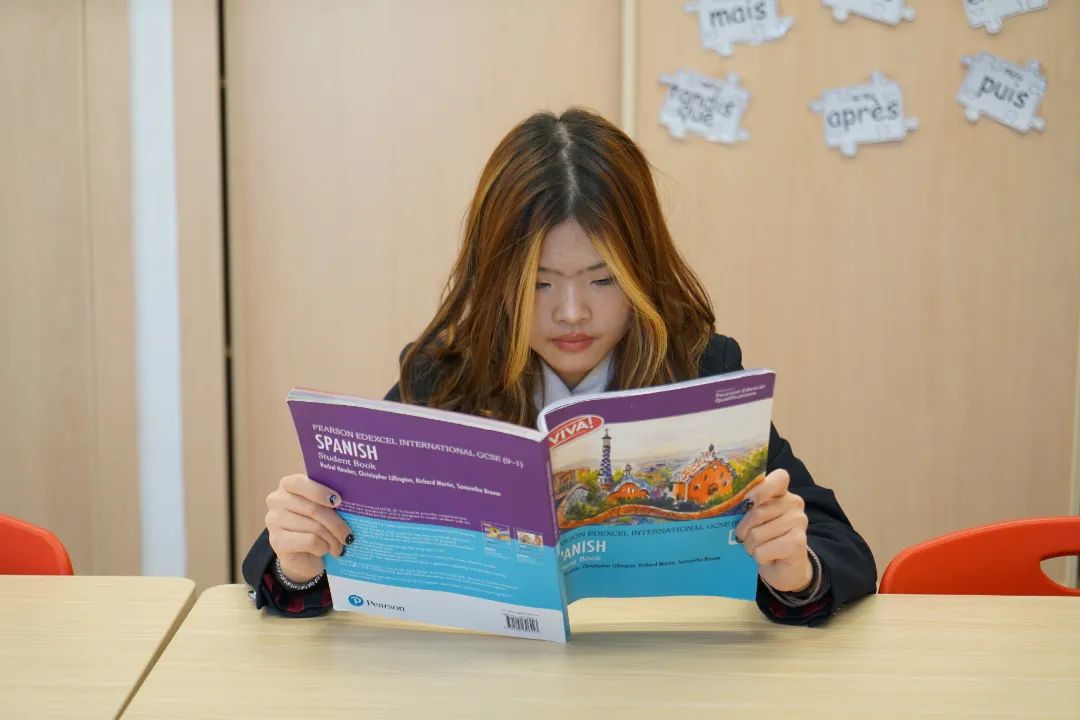
Our language learning goes beyond Mandarin. In Senior School, we support extensive language learning and exploration through the addition of Modern Foreign Languages in our curriculum like French, Spanish and German. Our MFL department enhance the student experience through events like the Festival of Languages to enrich their understanding of global communication.
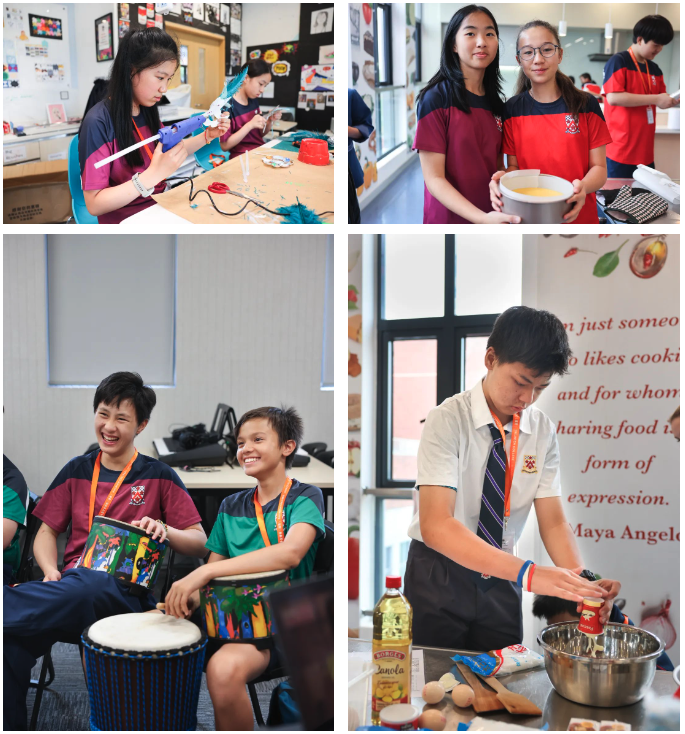
Last week, Festival of Languages included workshops in Hindi, Gaelic, and Malay, as well as cultural experiences like Flamenco dance, African drumming, French baking, and lion dance training. Students explored folktales, shared reflections on empathy, and built connections between language, identity, and inclusion.
At Dulwich Puxi, language is about building bridges between cultures, between people, and between ideas. Whether our students are learning to decode a Chinese poem, debate environmental policy, or greet someone in a new language, they are developing the skills they need to thrive in an interconnected world. To master language is to master perspective, empathy, and global citizenship. It’s how our students learn to Live Worldwise.