Why Reading Matters: Nurturing Young Readers at Dulwich Puxi

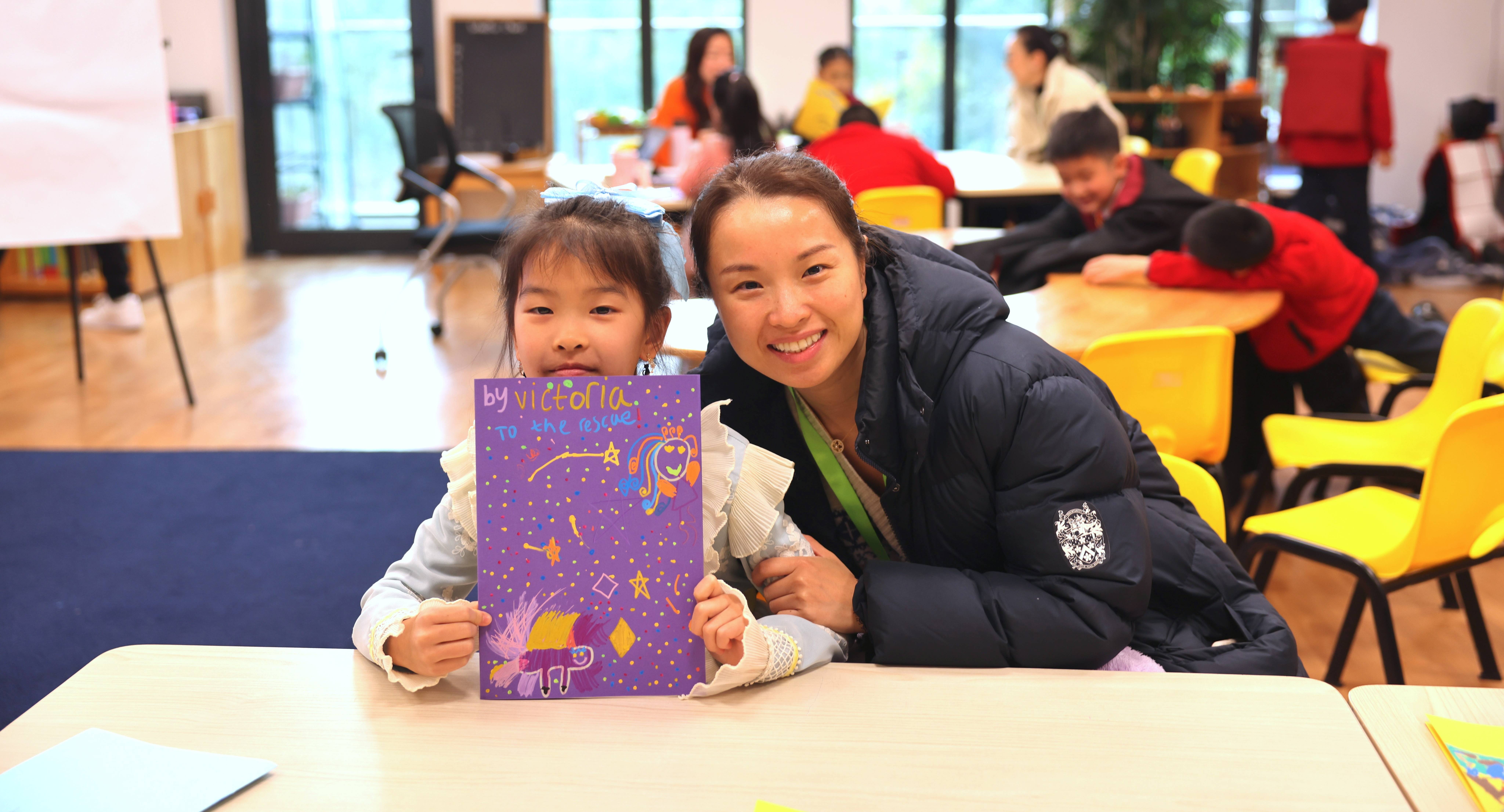
People who love reading are often more intelligent, empathetic and creative, as it improves brain connectivity and function. Not to mention the fact that reading allows you to constantly digest new information. You can spend a week reading a book of information that an expert took a lifetime to compile. Do that consistently, and you are growing your own inner capacity and exponential rates. —— Brianna Wiest, Forbes Magazine
At Dulwich College Shanghai Puxi, we provide a structured approach to the teaching of reading from Early Years to Senior School. In order for students to achieve in math, science, English, history, geography, and other subjects, reading skills must be developed to the point that most of them are automatic. Reading with understanding and discernment is the key that unlocks the higher levels of the curriculum and enables students to take true ownership of their learning. This provides our students with a real advantage at university, which requires the ability to read independently and analytically.
Reignite A Passion for Reading
You might think that once your child can read independently, your job is done. However, reading with your child in Junior School is still one of the most powerful ways to support their learning.
At this stage, children are moving beyond sounding out words to understanding ideas, themes, and emotions. Sharing books together helps them deepen comprehension, build vocabulary, and discover the joy of reading itself.
To support this, our Junior School has introduced several initiatives inviting parents to share in the joy of reading with their children, from interactive parent workshops to our inspiring Reading Hero campaign.

Why Read Together?
Reading aloud to your child exposes them to richer vocabulary and more complex language than they might encounter on their own. It models fluent, expressive reading, helping them hear the rhythm and emotion of good storytelling.
When you read together, you also strengthen emotional bonds. Discussing characters’ choices, feelings, or challenges helps children develop empathy and insight. And when they see you enjoying a book, they’re far more likely to pick one up themselves.
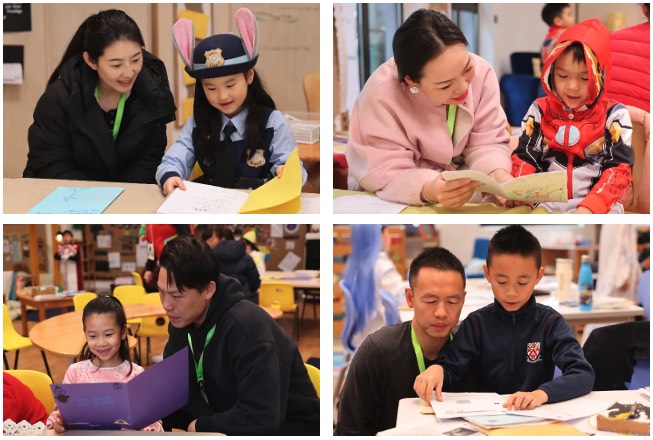
How to Support Your Child’s Reading?
Mr Niall Walker, our Primary Library Team Leader, suggested,
Take Turns Reading Aloud: Sharing reading with a parent or trusted adult can be a very special, warm and motivating time for a child. Let your child read a bit, then you take a turn. Model reading with expression for your child, try using different voices for different characters. Your child will love this time with you and grow their own resolve to read.
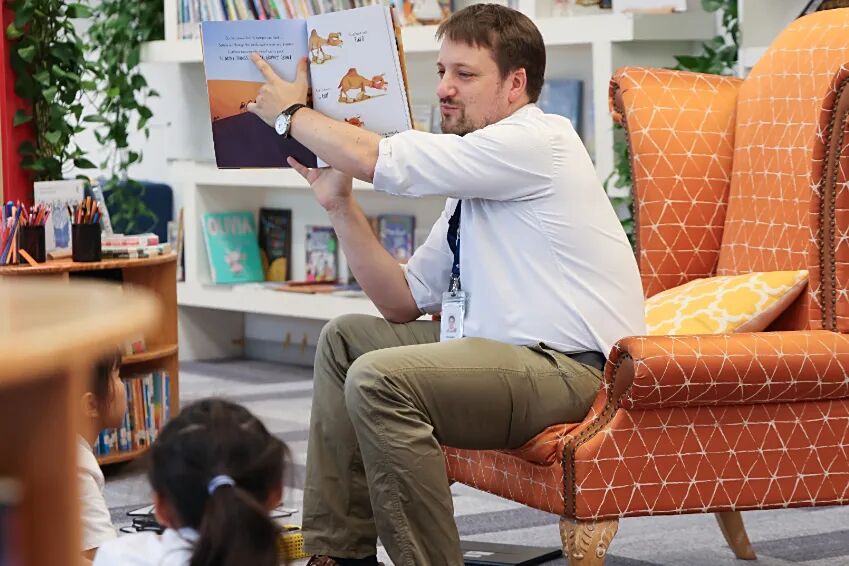
Explore the Book Before You Start: Look at the cover and the title together. Talk about what you think the story might be about. Try to connect it to other books you’ve read or experiences your child has had. This builds curiosity and contextual understanding.
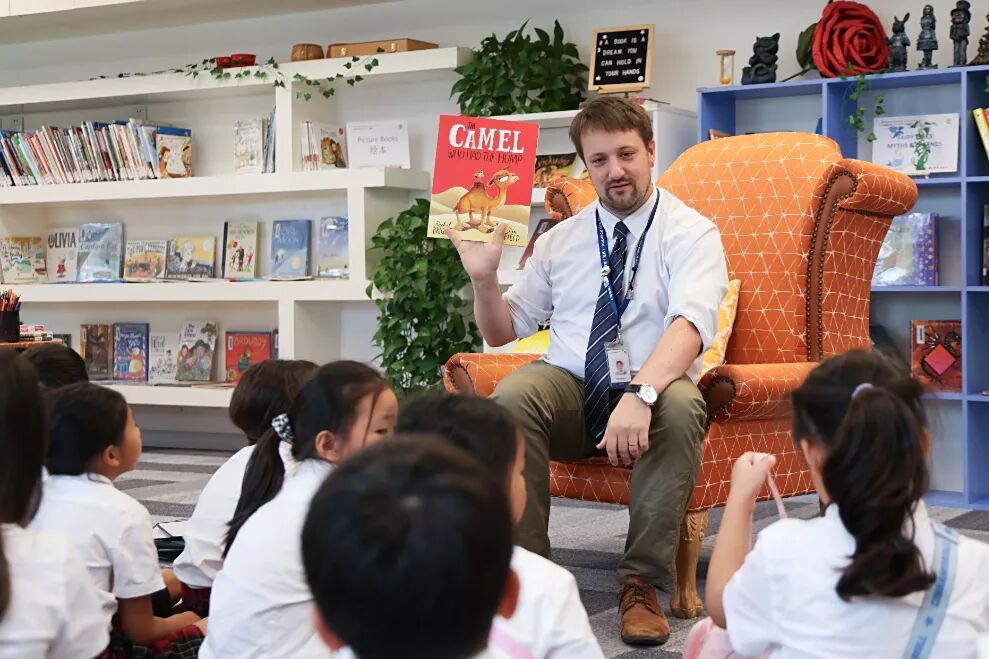
Ask Thoughtful Questions: While reading, pause to ask questions such as, “Why do you think the character did that?” or “What do you think will happen next?”, or “What would you tell the character to do?” These encourage your child to think deeply, practice understanding the story and connect learning to their own journey.
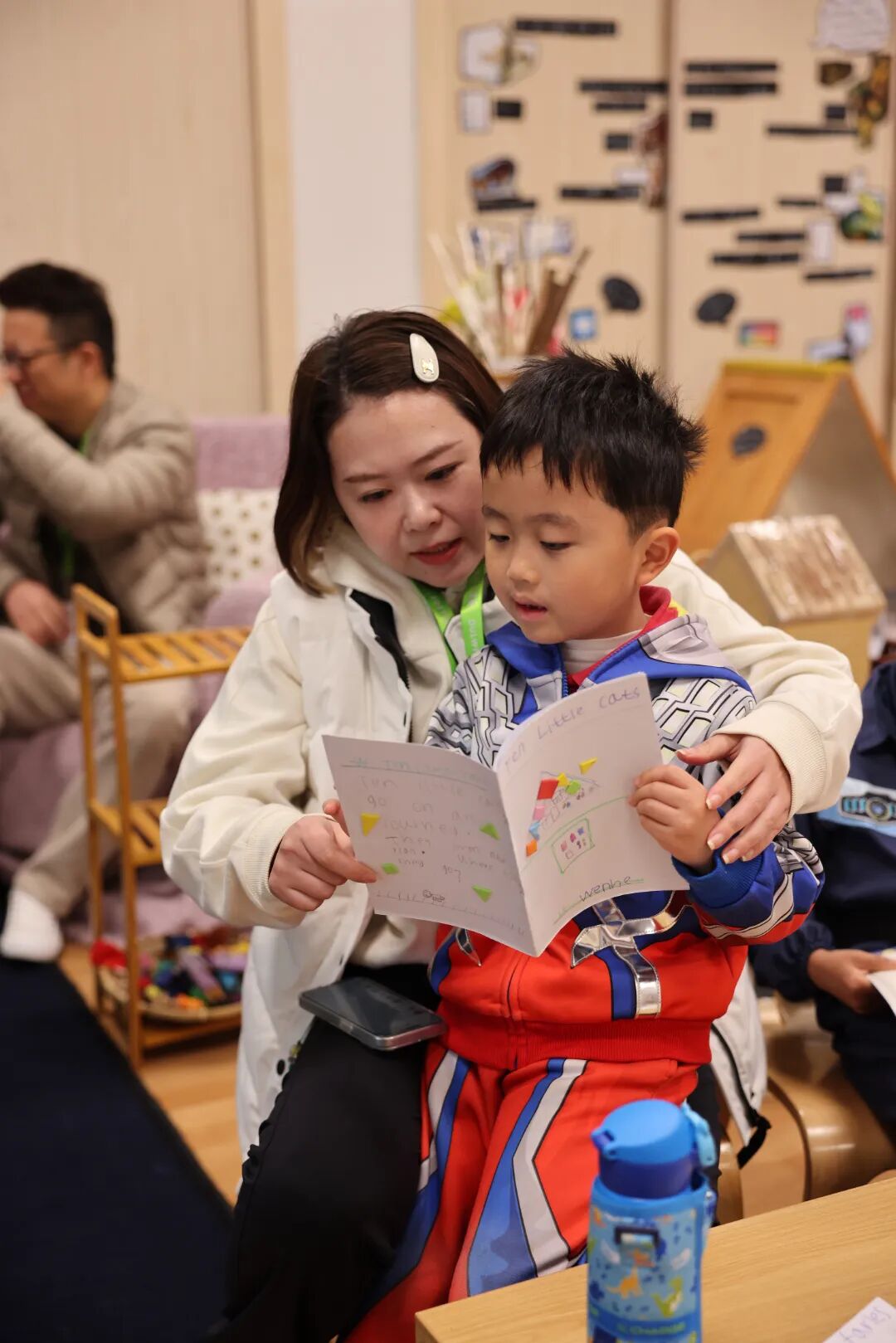
Talk About New Words: If you come across words that are new or tricky, chat about their meanings. Keep a dictionary available, as a book or on a device. Translate to a home language to support understanding. This helps grow your child’s vocabulary and language skills.
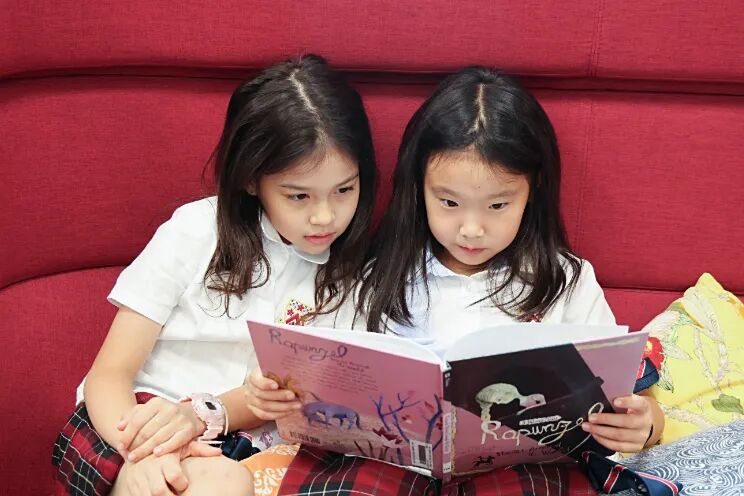
Support Focus and Decoding: Encourage your child to follow along with their finger or a reading ruler. When they read, praise their effort and progress rather than focusing on mistakes. Keeping reading enjoyable helps build confidence and a lifelong love of books.
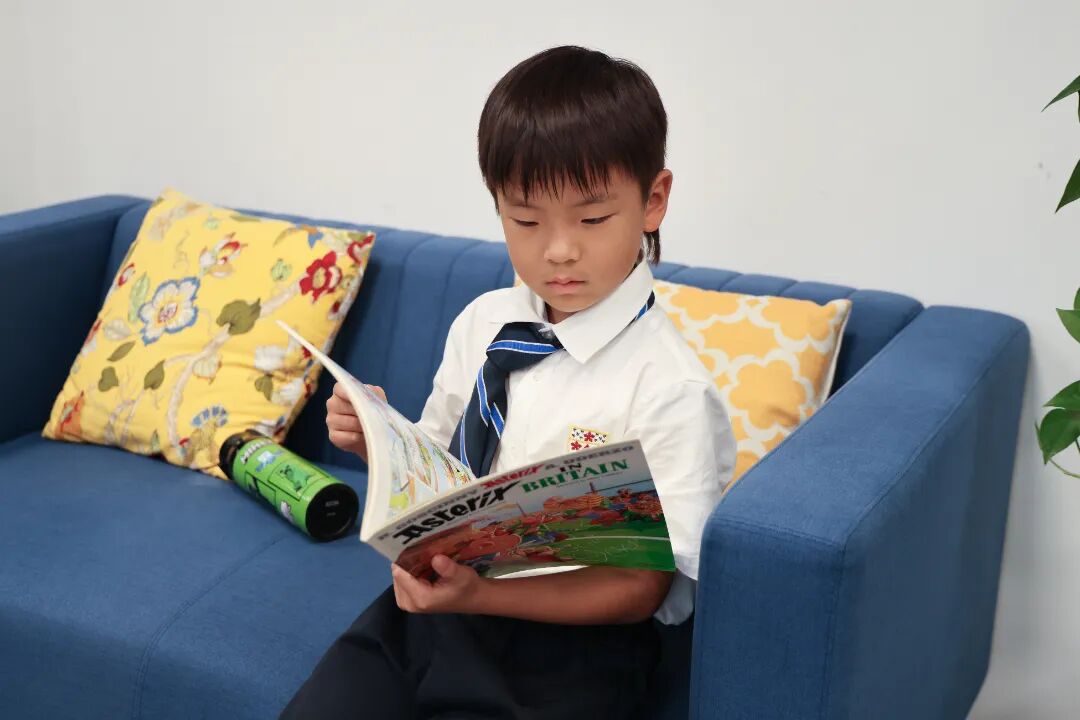
Share Reading Journey with the School: Encourage your child to complete their daily reading and fill in their daily reading log. This helps the class teacher understand your child’s reading progress and their reading interests. If your child has loved reading a particular book, or is struggling to find a good book, encourage them to speak with their class teacher or their library teacher. I also love hearing directly from parents about books their children have enjoyed – or not enjoyed! This communication around the child helps us all to connect them with the next book that will inspire their reading progress.
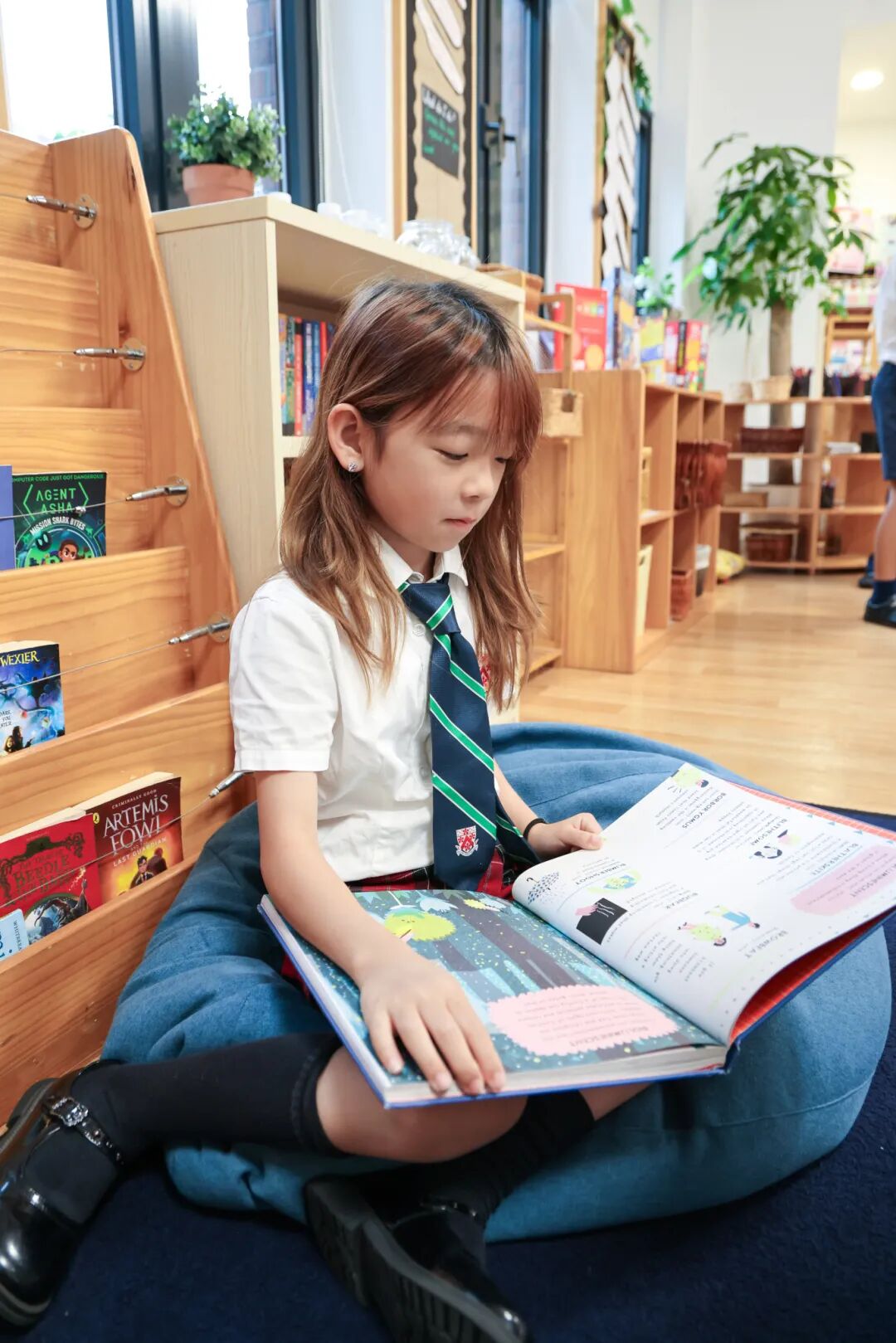
By reading regularly with your Junior School child/children, you help them develop confidence, comprehension, and a lifelong love of reading that supports their academic progress and personal growth.