Classroom Visits: A Fresh Start for Home–School Partnership丨课堂开放,家校共育新起点

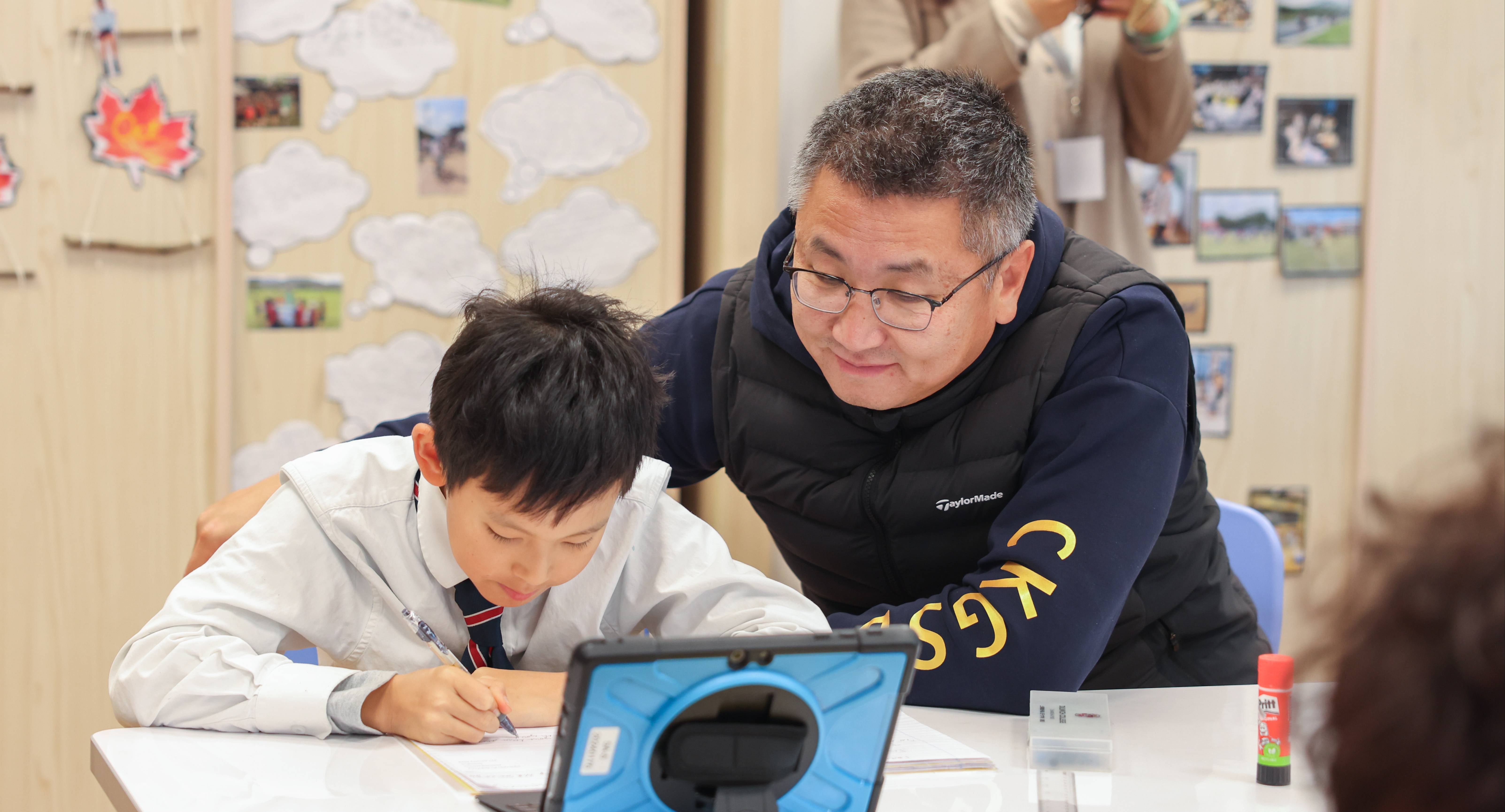
Have you ever wondered what your child does each day at school? How they actually learn in the classroom? Have you ever wished for a chance to step inside their school life and see learning happen for yourself?
Last week, just such an event took place in the Primary School at Dulwich College Shanghai Puxi. Parents from different year groups were invited into classrooms to gain an immersive, close-up understanding of learning in action.
These visits were designed to strengthen home–school connections, allowing parents not only to hear about our teaching approach but to see it in practice. Parents could observe lessons, understand how learning is structured and ask questions focused on their child's individual development.
What does this mean in practice? It means closer collaboration between school and family and a more effective way to support every child's growth.
"These classroom visits are a direct result of our ongoing commitment to listening and responding to our community. They offer a clear window into the rich, varied teaching that characterises our school every day and into the learning culture we are proud to share.
Parents were able to see first-hand the range of teaching approaches used - from short whole-class inputs and guided group work to independent practice, practical investigation, discussion and reflection. The success of this week’s enhanced visits, and the constructive ideas generated through them, are powerful reminders of what can be achieved when school and home work together in genuine partnership."——Gemma Stanton,Head of Primary School
A Stronger, More Informed Open Classroom Experience
A key feature of the visits was the briefing led by Phase Leaders before entering classrooms. Parents were guided through the medium-term learning overview, the key concepts and driving questions of each unit, and the learning objectives for the week across subjects.
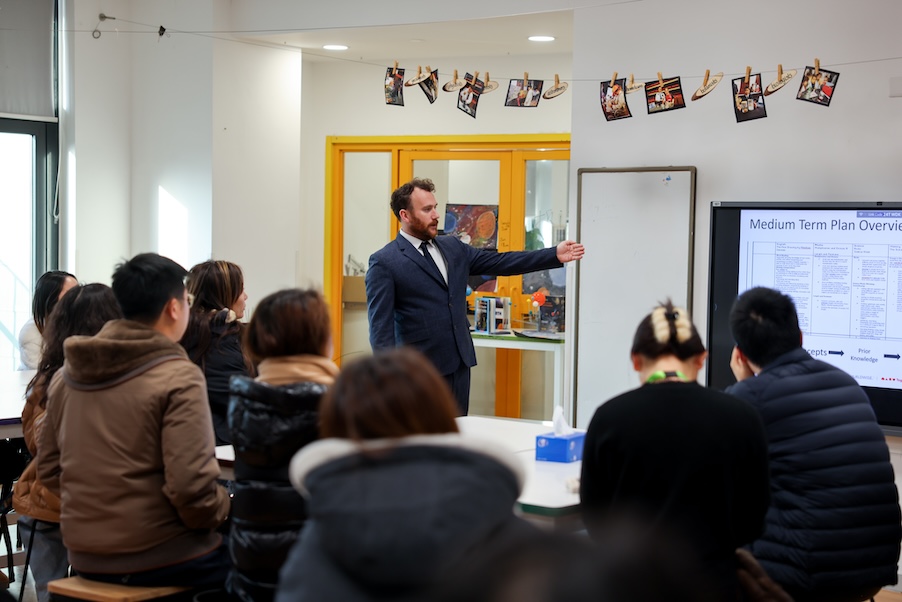
“This context made a real difference. Parents entered lessons already knowing what they might see, how tasks linked to the bigger picture and which questions they could ask to deepen conversations at home.”——Parent feedback
Phase Leaders also shared concrete examples from weekly planning. For example, Year 5 students were developing fluency in short division and exploring changing states of matter, while Year 6 students were investigating electrical circuits, refining public speaking skills and learning strategies how to stand up in situations involving cyberbullying. Seeing this detail upfront helped parents recognise progression in knowledge and skills across year groups.
'Learn to Learn' at the Heart of
Daily Practice
Whether visiting Year 1, Year 4 or Year 6, one message was clear: 'Learn to Learn' skills run through everything we do. In KS1, parents saw students have Mandarin class under the guidance of the Read, Write Programme. In KS2, the briefing revisited the six core learning dispositions—Independent Enquirer, Team Worker, Reflective Learner, Effective Participator, Self-Manager and Resourceful Thinker—and explained how these appear in everyday lessons.
Parents observed that students were consistently encouraged to ask questions, think creatively, organise time and resources and reflect on how to improve their learning—not just aim for the 'right answer.'
These learning behaviours were evident in transitions between activities, collaboration with peers and articulation of next steps.
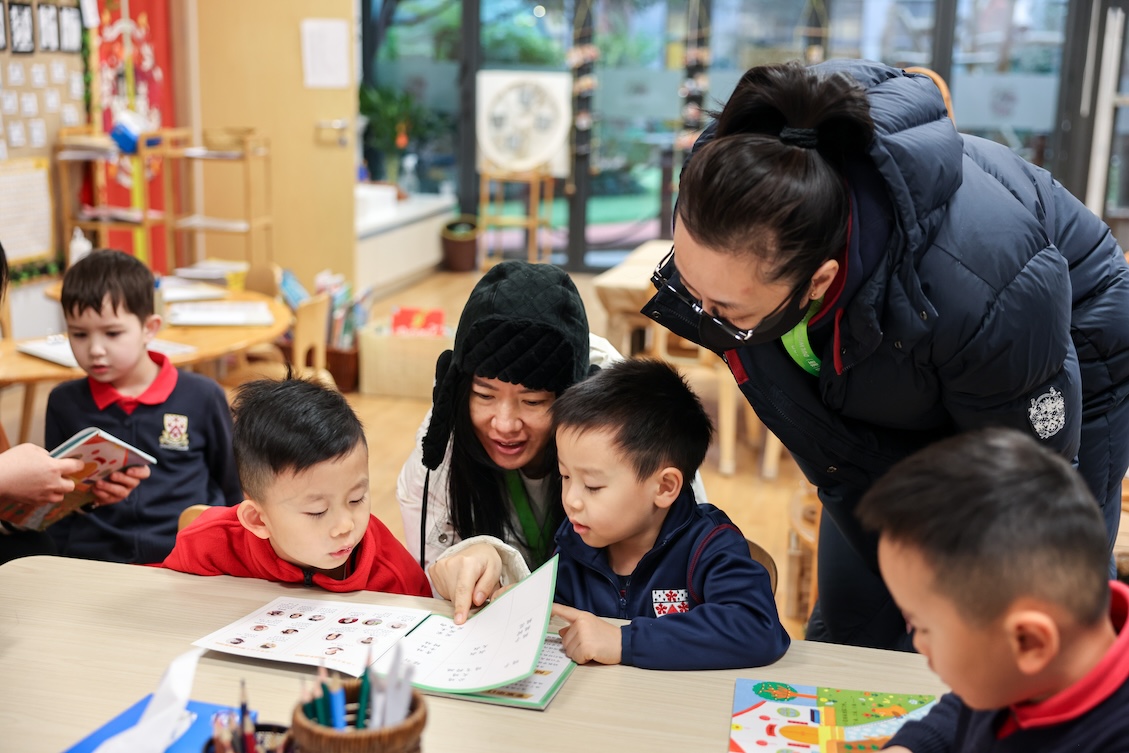
“Many parents noted that they could see their child taking greater ownership of learning and using the same language around being 'independent', 'reflective' or 'resourceful' introduced in the briefing. Because these skills are embedded across all subjects and year groups, pupils develop adaptable, resilient habits alongside strong academic foundations.”——Parent feedback
Personalised Learning, High Expectations
The visits highlighted how deeply teachers understand their students as individual learners. Across phases, parents saw students working towards different outcomes within the same lesson, with tasks carefully matched to readiness, interest and learning needs. Some students consolidated previously taught skills, others were stretched through carefully designed challenge and extension tasks.
Across classrooms, a range of teaching approaches supported learning—from whole-class teaching and guided group work to independent practice, investigation, discussion and reflection. Teaching assistants provided targeted support to individuals and small groups, ensuring every child could access learning while being appropriately challenged.
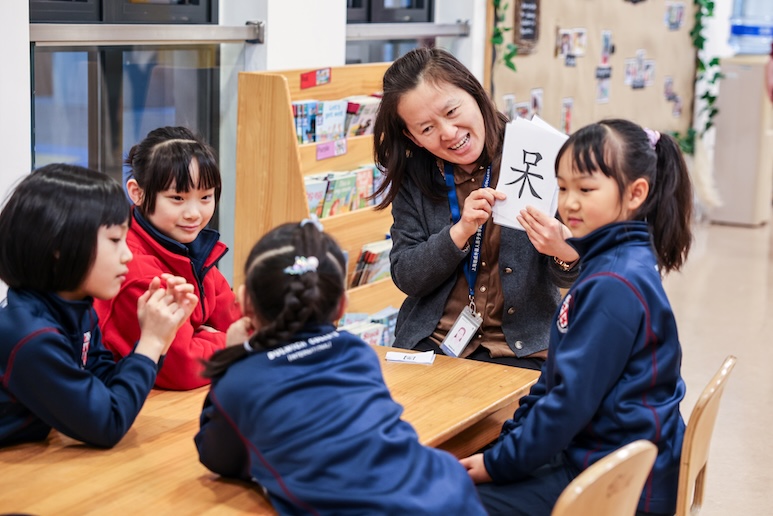
“Parents commented that this balance of support and challenge felt purposeful and intentional, rather than 'one size fits all,' reinforcing confidence in how well staff understand each child's strengths and next steps.”——Parent feedback
Building a Deeper Home-School Dialogue
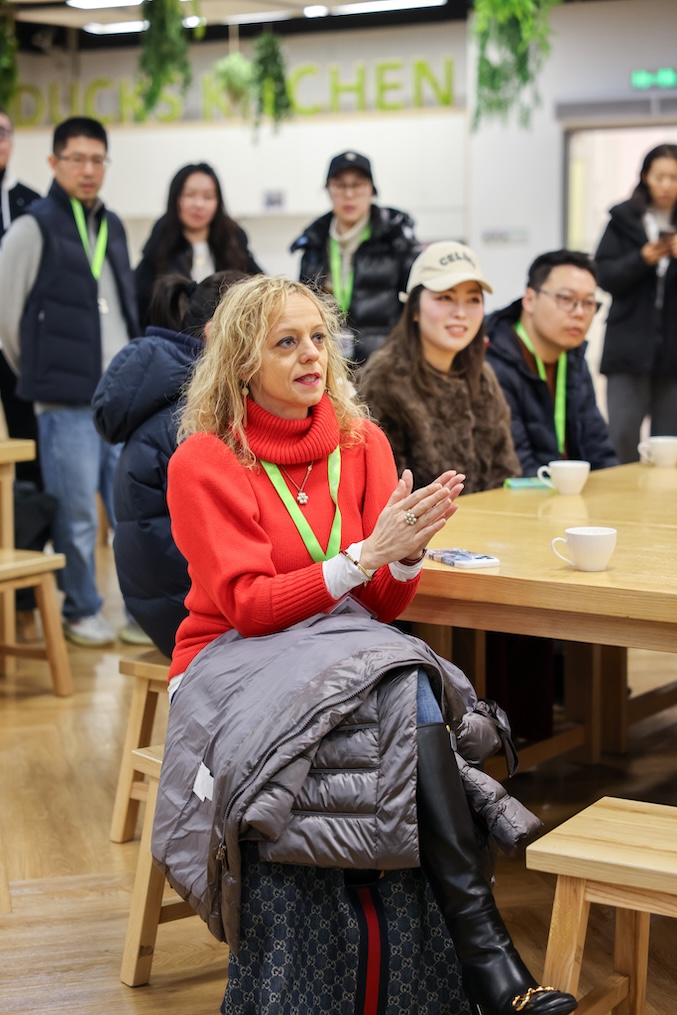
During the Q&A sessions following classroom visits, a recurring question from parents focused on how to better understand their child's progress over time. Together, we reviewed existing tools that support this partnership. Weekly class newsletters, for example, provide concise overviews of learning objectives, offering a practical way to ask more focused questions at home.
Teachers and parents also discussed formal feedback opportunities such as Parent–Teacher Conferences and written reports, alongside the reassurance that teachers are always open to further conversations when helpful. Parents appreciated the reminder that understanding a child's progress is an ongoing process, supported by multiple touchpoints throughout the year.
The success of these classroom visits reminds us that meaningful education is built on understanding, trust and continuous dialogue. When parents step into classrooms and see learning happening in real time, school and home form a stronger, shared understanding of each child's growth.
At Dulwich College Shanghai Puxi, we remain student-centred, continually reflecting on and improving our practice, and cherishing every opportunity to work alongside families. We look forward to continuing this journey together, observing, participating and celebrating each step of learning.